The part nobody warns you about before starting antidepressants
Your doctor hands you a prescription, mentions potential side effects, and lists anxiety, nausea, headaches. Then weeks in, you realize that arousal takes longer, orgasm feels further away, or desire has just... flatlined. That part? Rarely mentioned upfront. You're left wondering if it's the medication, your relationship, stress, or something actually wrong with you.
It's the medication. For 40 to 60 percent of people taking SSRIs (selective serotonin reuptake inhibitors), sexual side effects are real. And here's the thing that actually matters: they're not a character flaw, they're not permanent, and they're absolutely workable with the right approach and tools. A lemon vibrator can be part of that toolbox.
How SSRIs actually change sexual response
To understand what's happening, you need to know what serotonin does. It's called the "happy chemical," but that's lazy shorthand. Serotonin regulates mood, yes, but also desire, arousal, and orgasm. High serotonin makes you feel balanced and calm. It also tends to make you less urgently interested in sex.
SSRIs work by preventing your brain from reabsorbing serotonin, so more stays in circulation. This is wildly helpful for depression and anxiety. Your mood stabilizes. The persistent dread lifts. But the same mechanism that helps your mental health can dampen the neurochemical chain reaction that creates sexual desire and orgasm.
Here's what typically happens:
Delayed or absent orgasm. The neural pathway to climax gets slower. You can feel aroused, even intensely, but the final push takes exponentially longer or doesn't arrive at all.
Lower desire. You're less likely to initiate. Opportunities that used to make you curious feel... fine, you're fine without them.
Difficulty with arousal. Getting physically ready (lubrication, erection, engorgement) takes longer or requires more direct stimulation.
Flattened sensation. The intensity of pleasure itself can feel muted. Like you're experiencing pleasure through a pane of glass.
None of this means your body is broken. It means your neurochemistry has shifted, and your pleasure pathways need a different kind of input.
Why a lemon vibrator works differently when you're on SSRIs
Here's the clinical insight that changes everything: direct clitoral stimulation bypasses some of the neurological delays that SSRIs create. It's not magic. It's biomechanics.
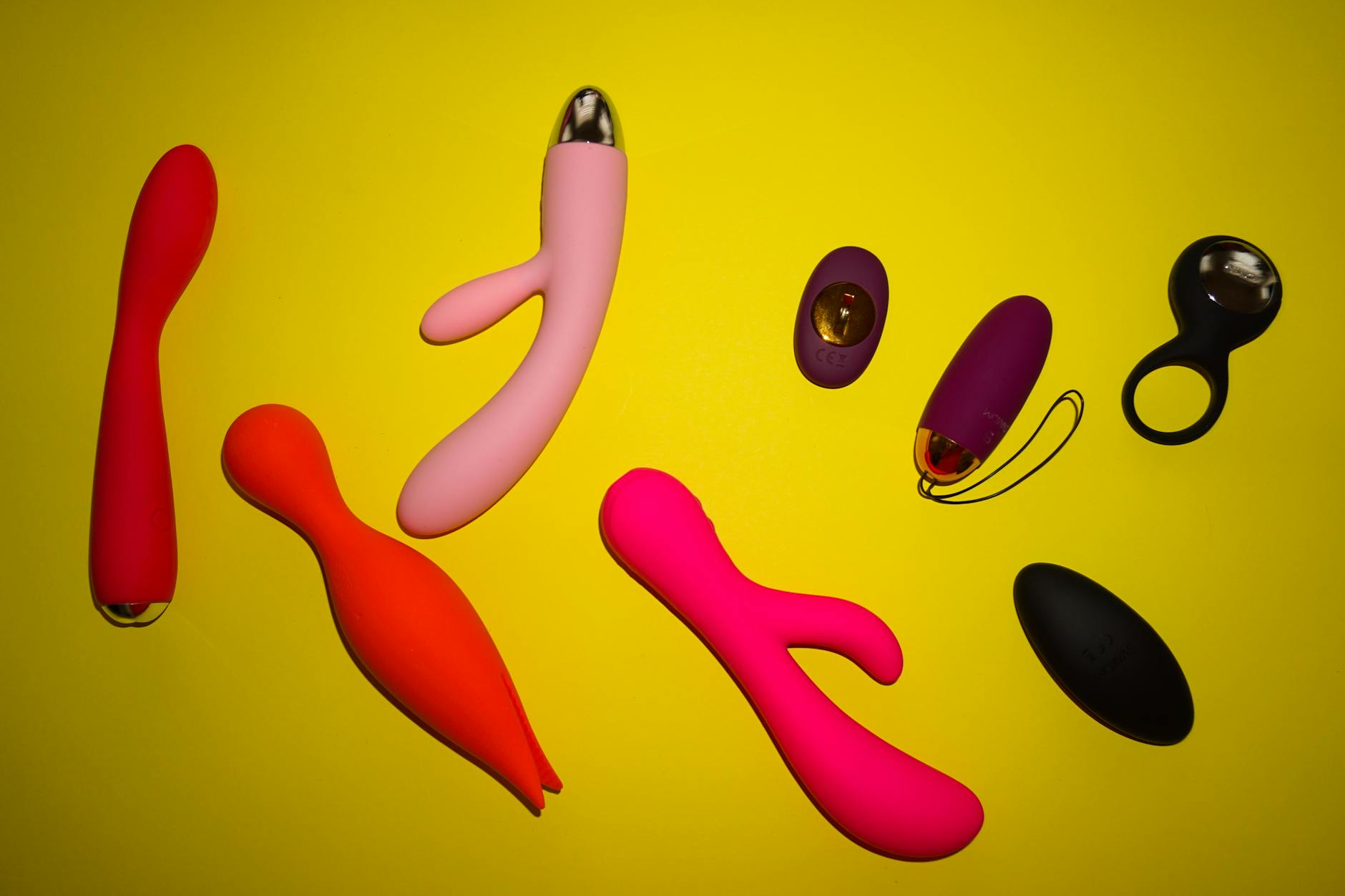
When arousal is slow and sensation is muted, you need intensity and focus. A lemon clitoral vibrator delivers sustained, high-frequency stimulation in a concentrated area. Unlike manual stimulation or penetrative sex (where sensation is distributed), a suction-style device like a lemon vibrator creates a localized feedback loop that can override the serotonin-based dampening.
Many people on SSRIs find that they can still orgasm with a lemon vibrator when they couldn't otherwise. Not always immediately, and not without some patience, but reliably.
There's also a psychological component. When desire is low and orgasm feels impossible, trying penetrative sex or relying on a partner becomes emotionally loaded. You're performing; you're frustrated; you're grieving what used to happen automatically. A lemon vibrator takes that pressure off. You can explore on your own timeline, with no expectation of performance.
Building arousal back up takes time and intention
If you're new to this frustration, the instinct is often to try harder: spend longer in foreplay, use more intense stimulation, add fantasy, switch positions. Sometimes that works. Often it just exhausts everyone involved.
Here's what I recommend instead:
Start low and build slowly. Use your lemon vibrator on the lowest setting first. This isn't gentle in the "delicate" sense. It's gentle in the strategic sense. Arousal builds gradually, and rushing often backfires.
Separate pleasure from orgasm. Decide in advance that tonight is about sensation, not climax. This sounds counterintuitive, but the moment you remove the goal of orgasm, the nervous system relaxes. Arousal actually accelerates when you're not white-knuckling toward an endpoint.
Extend warm-up time. Budget 20 to 40 minutes before using the vibrator. Skin contact, breath work, mental focus. Let your body warm up slowly.
Explore timing. Some people find that mornings work better than evenings. Others need to use a lemon vibrator right after a workout when endorphins are high. There's no universal rule. You're figuring out what your SSRI-era arousal blueprint looks like.
The medication conversation with your prescriber
If sexual side effects are severe or worsening, bring it up. I know it feels awkward. Your doctor has heard this a thousand times. There are actual options:
Timing adjustments. Some SSRIs have lower sexual side effects if taken at night instead of morning, or vice versa. A small shift can help.
Dose reduction. You might maintain mental health benefits at a lower dose. This should only happen with your doctor's guidance, but it's a legitimate question.
Medication switch. Bupropion (Wellbutrin) and some other antidepressants have lower sexual side effect rates. Switching isn't automatic, but it's worth discussing if SSRIs have left you without pleasure.
Augmentation therapy. Sometimes adding a second medication to counteract sexual side effects works. This is also worth asking about.
Your mental health is non-negotiable. But so is pleasure. A good prescriber will work with you to find the balance.
When a partner is involved
If you're in a relationship, your partner might interpret lower desire as lower desire for them. That's the trap. You need to separate those two things in the conversation early. "My body's neurochemistry has shifted because of medication. That's not about you, and it's not about my feelings toward you."
Then show them what works. Use a lemon vibrator together. Let them see that you can still orgasm, still enjoy sensation, still connect. The shape of that connection changes, but the connection itself is there. Often it deepens because you're both problem-solving instead of performing.
If your partner is supportive but confused about how to help, here's what actually matters: presence, patience, and following your lead on intensity and timing. That's it.
FAQ: Antidepressants, SSRIs, and sexual pleasure
How long do sexual side effects from SSRIs last?
They can persist for the entire time you're on the medication, or they can improve after a few weeks as your body adjusts. There's no universal timeline. Some people notice slight improvement after 4 to 6 weeks; others find the effects stable long-term. If you're 12 weeks in and haven't seen improvement, that's worth discussing with your prescriber rather than hoping it resolves on its own.
Can I use a lemon vibrator while on SSRIs?
Absolutely. There are no interactions between clitoral vibrators and antidepressants. If anything, a lemon clitoral vibrator can be a key tool for reclaiming pleasure. The direct stimulation often works better for SSRI-era arousal patterns than other methods.
Will taking a lemon vibrator make the sexual side effects worse?
No. Using a vibrator doesn't create dependence or make your body "need" it to orgasm. What it does is provide the kind of stimulation that works with your current neurochemistry instead of against it. Think of it like accommodations, not crutches.
Should I tell my doctor I'm using a lemon vibrator?
You don't need permission, but if you're discussing sexual side effects, mentioning that you're exploring tools like a lemon vibrator can help your doctor understand the severity. It's honest information that helps them tailor your treatment plan.
Is desire supposed to come back completely?
Desire often improves significantly, but it might not return to exactly what it was before medication. That's actually okay. Many people find that post-medication desire is more intentional and less driven by hormonal cycling. You might initiate less spontaneously but enjoy it more deeply. That's a different pattern, not a broken one.
Can I stop my SSRI to fix sexual side effects?
No, not without close medical supervision. Stopping antidepressants abruptly can trigger withdrawal symptoms and depression recurrence. If sexual side effects are intolerable, talk to your prescriber about tapering safely or switching medications. That's the only responsible path.
What actually matters
Antidepressants save lives. They also sometimes get in the way of pleasure. That's a trade-off you made consciously or had made for you by circumstances. But trade-offs don't have to be permanent or total. You can honor the medication's role in keeping you mentally healthy while also actively reclaiming your sexuality. A lemon vibrator is one tool. Communication with your partner is another. Talking honestly with your prescriber is a third.
Your desire matters. Your pleasure matters. Both of those things can coexist with mental health care. You don't have to choose.