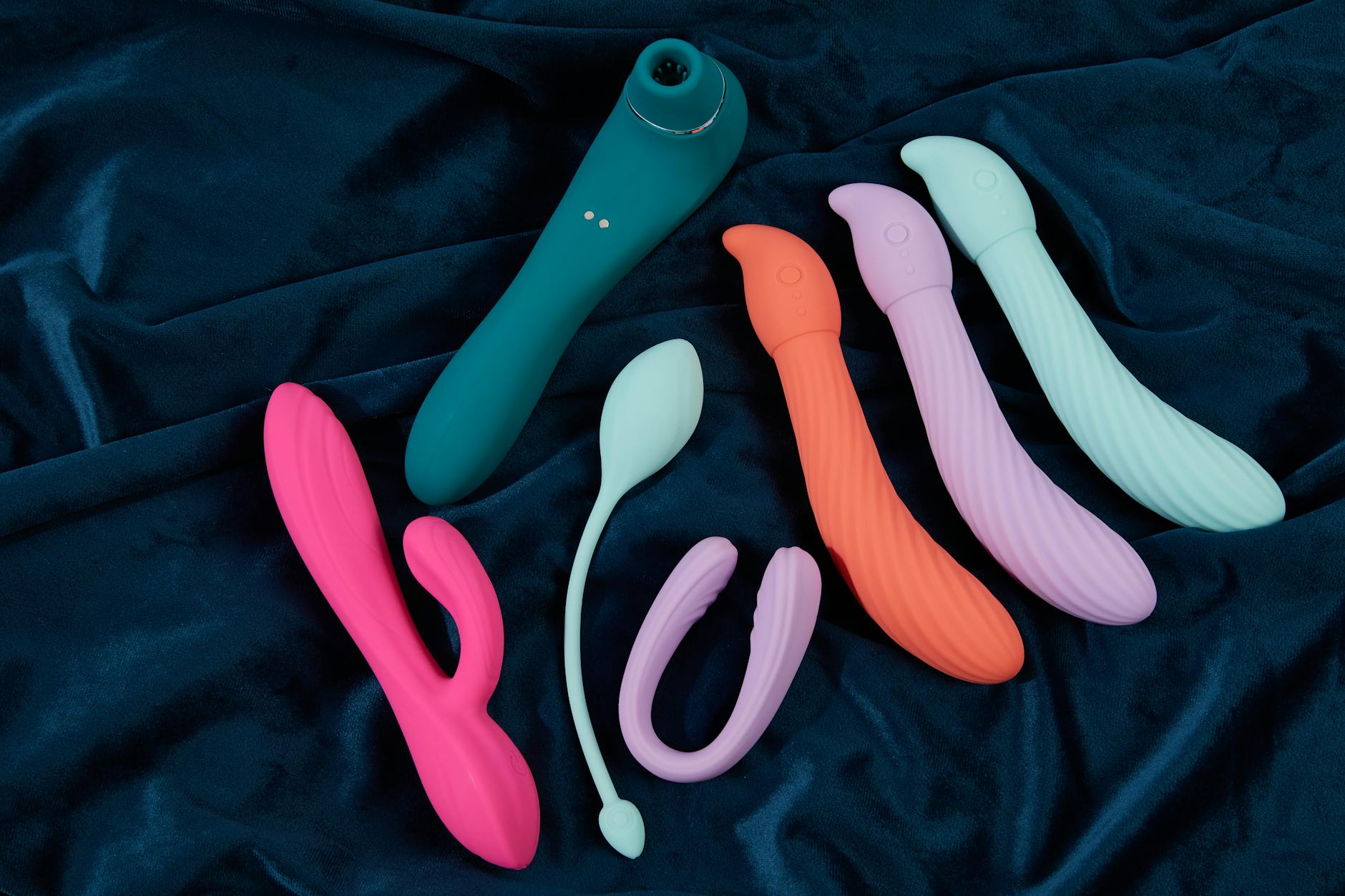
Here's the thing about vibrator numbness
You're not imagining it. That sensation of intensity that peaks after a few minutes, then flattens into a dull buzz where you can barely feel anything, is real. It's called desensitization, and it happens to a lot of people who use clitoral vibrators, including lemon vibrators. The good news: it's completely reversible, and understanding why it happens puts you back in control.
What desensitization actually is
Your clitoris has roughly 8,000 nerve endings packed into an area smaller than a pea. These nerves are wildly sensitive to stimulation. When you apply consistent, high-intensity vibration to that area for several minutes, those nerve endings essentially get tired. They stop firing at the same intensity. It's not damage. It's more like neural fatigue.
Here's what's happening neurologically: your nervous system has something called sensory adaptation. When a stimulus stays the same for too long, your brain literally stops registering it as intensely. Touch the back of your neck right now. Feel your shirt? In thirty seconds, you probably won't. Your brain has already decided that stimulus is background noise.
Your clitoris works the same way, except the consequence feels way more frustrating. You go from feeling every pulse of the Lem to feeling almost nothing, just when you're building toward an orgasm. Then, infuriatingly, if you stop for two minutes and start again, the sensation comes roaring back. This isn't a flaw in you or the toy. It's biology.
Why lemon vibrators and other suckers trigger this faster
Air-suction toys like the Lem work differently than traditional vibrators. They don't buzz. They create rhythmic pulses of suction and release, which is a more novel stimulus for your nerves. But that novelty also means deeper, more sustained stimulation. You're pulling tissue into the cup, creating consistent pressure against those same 8,000 nerve endings without variation.
High-intensity settings amplify this. If you're using pattern 5 or 6 on your Lem from the start, you're bringing maximum intensity to bear on tissue that hasn't had time to acclimate. The nerves get tired faster. This is why users often report numbness creeping in after three to five minutes on higher settings.
Your clitoris is exquisitely sensitive. It doesn't need as much stimulation as you might think to trigger an orgasm. More intensity does not equal better orgasm; it just means your nerves fatigue sooner.
The five-minute rule and intensity reset
One of the simplest fixes is the five-minute interval. Use your lemon clitoral vibrator on your preferred pattern for four to five minutes, then stop completely for one to two minutes. Let your nervous system reset. Your sensation will come roaring back. Then you can resume.
During that break, switch to manual stimulation if you want. Your hands will feel dramatically more intense because your clitoris is no longer adapted to vibration. For many people, this back-and-forth actually accelerates an orgasm.
Second: drop the intensity. Most people assume they should use the highest setting from the start. I'd argue the opposite. Start on pattern 1 or 2. Build gradually. Your nerves stay fresher, your arousal builds more steadily, and when you do increase intensity, it feels like a genuine escalation rather than background hum.
Technique adjustments that prevent numbness entirely
Numbness is partially a technique problem. Here are four shifts that help.
Move the contact point frequently. Don't hold the Lem in one spot for minutes at a time. Shift it slightly, change angles, or use it in figure-eight motions. This distributes the stimulus across different nerve endings instead of exhausting the same ones.
Use lighter contact pressure. The Lem works through suction. You don't need to press hard. Light, teasing contact with the opening of the cup stimulates the most sensitive outer tissue of the clitoris. Heavy pressure numbs faster and isn't more effective.
Vary the pattern. Don't stay on one pattern. Change every minute or so. Your nervous system adapts to repetition. If you switch from pattern 3 to pattern 5 to pattern 2, you're giving different nerve clusters fresh stimulation. This delays adaptation by several minutes.
Incorporate rest. Build breaks into your experience. Thirty seconds of clitoral stimulation, ten seconds of break. The constant-contact approach is why numbness happens. Intermittent stimulation prevents it.
When numbness signals something else
If you've never experienced numbness before, and suddenly you're numb during every session, check three things.
First, are you dehydrated? General dehydration can blunt sensation everywhere. Drink two glasses of water an hour before and you might solve the problem.
Second, are you on any new medications? Certain antidepressants, blood pressure meds, and antihistamines can reduce genital sensation as a side effect. This isn't the toy's fault.
Third, are you mentally elsewhere? Stress, anxiety about performance, or just thinking about your to-do list will kill sensation faster than anything physical. Your brain is your biggest sex organ. If your mind is checked out, your body will follow.
If numbness happens even with light contact, low intensity, and clear mental space, mention it to your doctor. True anesthesia of the clitoris is rare but can signal nerve issues worth investigating. In most cases, though, it's just neural fatigue.
The build-to-climax approach
Instead of constant stimulation toward orgasm, try this: use the Lem on low intensity for two minutes to build baseline arousal. Stop for one minute. Then gradually increase the pattern every two minutes. Pattern 1, then pattern 2, then pattern 3. By the time you reach higher patterns, your arousal is already climbing and you only need a minute or two on higher intensity before climax arrives.
This method keeps your nerves fresh throughout, uses intensity strategically when it matters most, and often produces more intense orgasms because you're building pleasure deliberately rather than numbing yourself into flatness.
Many people also find that combining internal stimulation with external Lem use prevents numbness. The dual sensation engages more nerve endings across a wider area, which means no single cluster gets exhausted.
The numbness recovery window
Once your clitoris is numb, how long does it take to recover full sensation? Usually twenty to thirty minutes of rest. Some people need an hour. This varies based on how intense and how long your session was.
If you're planning a longer session, schedule breaks. Twenty minutes on, ten minutes off. This rhythm lets you explore extended pleasure without hitting the plateau of desensitization.
One final note: if you're experiencing persistent numbness even after breaks and intensity adjustments, check whether your Lem is clean and the suction is working properly. A worn seal or a toy that's lost suction power will feel numb because the stimulus is actually weaker. A quick clean with warm water and mild soap, or a look at the silicone around the cup edge, often fixes the issue.
Frequently asked questions
Why does my lemon clitoral vibrator feel good for two minutes then nothing?
That's textbook sensory adaptation. Your nerve endings fatigue when exposed to the same stimulus consistently. The solution is simple: move the contact point, change the pattern, or take a brief break. Your sensation resets almost immediately. This is normal and fixable.
Is numbness from a lemon sucker permanent?
Absolutely not. Sensation returns completely within twenty to thirty minutes of stopping stimulation. If it takes longer, you may be dehydrated or overstimulated. Sip water and rest. True permanent numbness from toy use is extremely rare and would warrant a conversation with your doctor.
Should I use my Lem on a lower setting to avoid numbness?
Yes. Start on the lowest pattern and build gradually. You'll discover that lower intensity often feels more intense subjectively because your nerves stay fresh. Higher intensity doesn't equal better orgasm. It just means your nerves tire faster. Experiment with patterns 1 and 2 for longer, and you may find them more effective than jumping to 5.
Can I train my clitoris to not go numb from vibrators?
You can't retrain nerve adaptation, but you can absolutely manage it with technique. Varying intensity, moving contact, taking breaks, and using intermittent stimulation all train you to use the toy more effectively. The skill is in the approach, not in your body.
Does numbness mean my lemon vibrator is too strong?
Not necessarily. It usually means the intensity is too high for your current arousal level, or you're holding it in one spot for too long. Try using it on a lower pattern, moving it more frequently, or combining it with other stimulation. The toy is probably fine. The technique is what needs adjusting.
How do I know if it's numbness versus just losing interest?
Numbness is a specific flatness of sensation. You can still feel the vibration, but it's muted. Losing interest feels different. Your mind wanders, the experience stops feeling urgent, and you lose arousal. If you stop for two minutes and suddenly feel intensely sensitive again, it's numbness. If you feel flat even after a break, it's probably mental disengagement. Address those separately.
What actually works
Desensitization from lemon vibrators or any clitoral vibrator isn't a defect. It's how your nervous system protects itself from overstimulation. The fix isn't buying a different toy or accepting numb sessions. It's adjusting how you use the one you have.
Start on low intensity. Move frequently. Take breaks. Vary the pattern. These aren't complex techniques. They're just working with your body's design instead of against it. Your pleasure is the payoff.
If you're still troubleshooting sensation issues after trying these approaches, the team at Hello Nancy is here. Reach out at /contact with questions about technique, product fit, or anything else.
References and sources
Sensory adaptation research: University of Manchester, "Sensory Gating and Habituation" (2019) Clitoral nerve anatomy: Journal of Sexual Medicine, "Detailed Anatomical Study of the Clitoris" (2009) Vibration response physiology: Physiology and Behavior Journal, "Neural Adaptation to Sustained Vibratory Stimulation" (2016)