Here's what nobody tells you about coming off antidepressants
Your brain chemistry shifts. Your body wakes up. And suddenly, pleasure feels like a stranger living in your skin. This is especially true for sex and orgasm, which were probably flattened under medication for months or years. When sensation returns, it can feel too intense, too fast, or so emotionally loaded that touching yourself becomes complicated.
That doesn't mean something's wrong. It means you're actually feeling again. And if you want to rebuild sexual pleasure after stopping antidepressants, you need a different approach than you'd use for general pleasure recovery.
Why antidepressants numb sensation in the first place
Most SSRIs and SNRIs work by changing how your brain processes serotonin. That's great for mood stabilization. It's less great for the parts of your brain that drive arousal, orgasm, and genital sensation. Many people on antidepressants report feeling nothing during sex, or needing twice as long to orgasm, or losing interest entirely. It's not laziness or relationship problems. It's chemistry.
The tissue sensitivity you had before medication doesn't disappear. It just gets muted, like someone turned the volume down on a stereo. When you stop the medication, that volume knob turns back up. But it doesn't turn up gradually. For some people, it snaps back all at once. For others, it's a three-week slow burn.
Here's the important part: that returned sensation is fragile. Your nervous system has been in a kind of protective numbness. Reawakening isn't the same as healing. You need to approach it with intention.
The first week after stopping (before pleasure matters)
Don't push yourself to feel sexy. You probably won't for a few days, and that's normal. Antidepressants don't just affect genital sensation. They affect how your whole body processes physical sensation and emotion together. When you stop them, that reconnection is chaotic.
Some people feel hypersensitive all over. Others feel raw, itchy in their skin. Some cry for no reason. Some feel nothing and panic that it's now permanent numbness on the other end of the spectrum. All of this is temporary and expected.
Right now, your job is not to have good sex. Your job is to notice what your body needs. That might be longer showers, softer clothing, cuddles without sexual pressure, or just being alone. Honour that. Pleasure will follow, but it can't lead.
The second and third week (when sensation actually returns)
By week two, you might notice something unexpected: a slight tingle during foreplay, an unexpected surge of arousal, or the ability to feel touch that had been totally numb. This is when people often try too hard. They think, "Finally, I can have sex again," and they rush.
Don't do that. Rushing now is like touching a healing burn. You'll make it worse.
Instead, start with touch without orgasm pressure. Explore your body solo. Notice where sensation feels most alive. You might be shocked at how sensitive you become. The clitoris in particular can feel almost raw when sensation returns. You're not broken. You're just meeting your own body for the first time in a while.
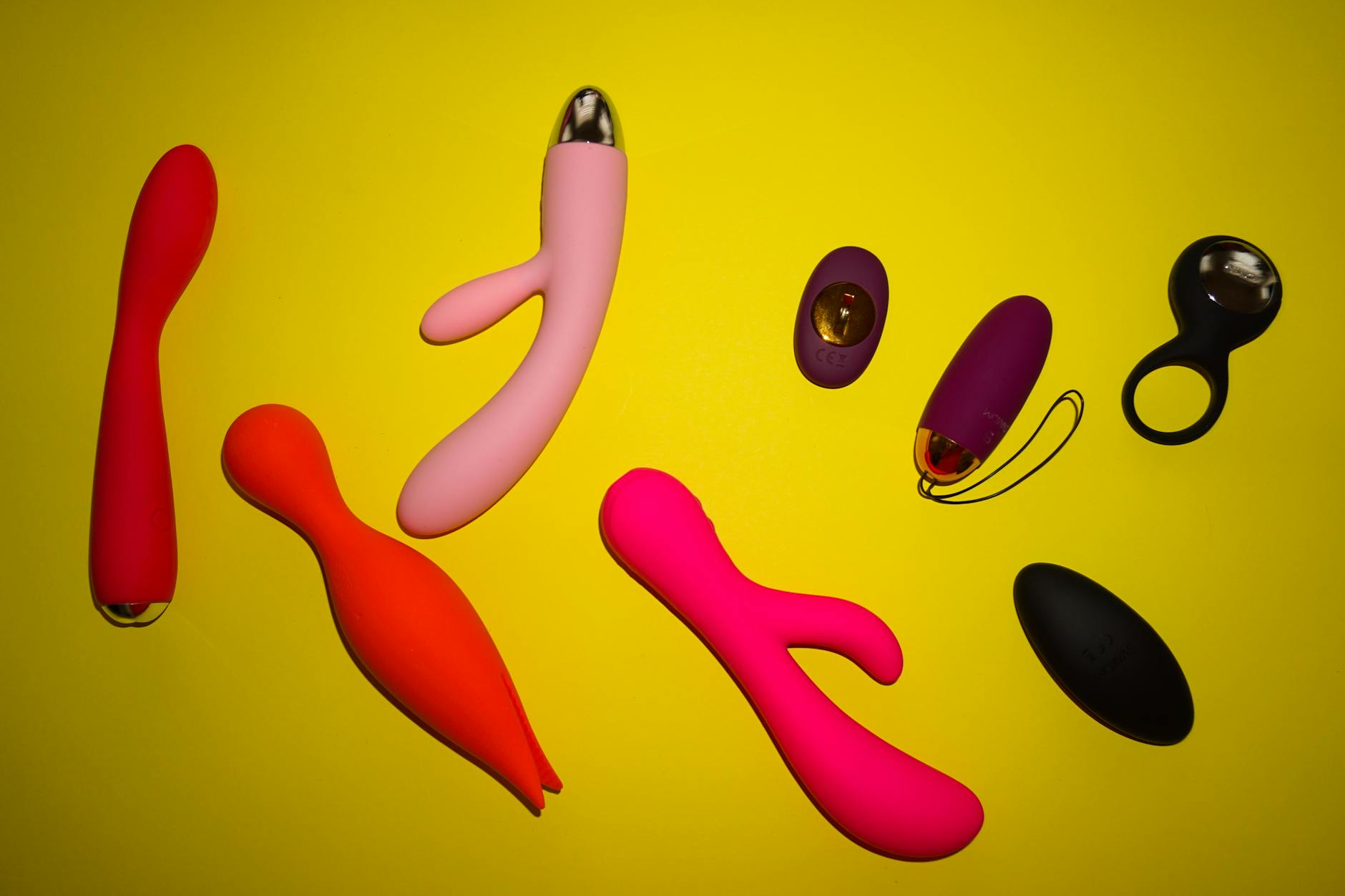
This is where a lemon clitoral vibrator becomes genuinely useful. Unlike a traditional vibrator, which relies on direct friction, a lemon sucker uses gentle air-pulse suction that doesn't require the same aggressive friction. If your tissues are tender from reawakening, suction-based stimulation feels less harsh and more tolerable.
Start with the lowest setting. Treat this like rediscovery, not performance.
Why a lemon vibrator works better during sensation return
When you've been on antidepressants, your clitoral tissue has been in a kind of sensory hibernation. The tissue itself is fine, but the nerve endings are quieter. When they wake up, they can feel almost hypersensitive. Traditional vibrators provide constant, high-intensity friction. A lemon clitoral vibrator uses suction patterns that build and release, which gives your nervous system time to integrate the sensation without being flooded.
The suction also creates a seal around the clitoris, so stimulation is more concentrated and focused than a standard wand vibrator. That means you get more sensation from less intensity. For someone relearning their body, that's a win.
Start at level 1. Seriously. You'll be shocked at how much you feel.
Managing the emotional side (which nobody expects)
Here's the thing people don't talk about: pleasure can trigger crying when you've been numb for a long time. Or suddenly you remember that you used to enjoy sex and now you're grieving the time you lost. Or you feel grateful and weird and angry all at once.
All of this is completely normal. Your pleasure centres in the brain are waking up. Your emotional centres are waking up too. They're speaking the same language again. Sometimes that creates a flood.
If you have a partner, tell them what's happening. You don't need to perform pleasure. You need to feel it, whatever that looks like. If it's messy, that's okay. If you cry during an orgasm or feel emotional after, that's your nervous system integrating something real. Let it happen.
If you're solo, give yourself permission for pleasure to be complicated. You don't need to reach an orgasm. You're learning how to feel again. That's the actual goal here.
The first few months (rebuilding consistency)
Your sensitivity won't stay at peak all the time. Some days you'll feel like you did before medication. Other days it'll dip. That's not backsliding. That's normal variation as your brain rebalances its neurochemistry.
Keep using your lemon vibrator consistently, maybe 2-3 times a week, as your body learns this new normal. Consistency helps your nervous system trust that sensation is safe and stable now. It's not a threat. It's just pleasure.
If you're with a partner, involve them gradually. Start with solo exploration, then move to partnered sex once you feel confident about what your body needs. That might take a month. It might take three. There's no timeline.
Red flags that mean you should check with your doctor
If you experience sharp pain during sex, or if sensation never returns after six weeks off medication, or if you're feeling new numbness alongside the old numbness, talk to your GP. Sometimes it's just the medication adjustment taking longer. Sometimes it means your body needs a different medication or a slower taper.
You shouldn't feel pressured to have sex before you're ready. And if stopping antidepressants creates new sexual problems alongside the old ones, that's worth investigating with a doctor who takes sexual health seriously.
Also watch your mood. Coming off antidepressants can trigger depression or anxiety for some people. That's not about pleasure. That's about brain chemistry. If you notice mood shifts, reach out to your prescriber.
What if your partner is confused about this
Some partners think sensation returning means you suddenly want sex all the time. Some worry that you want different kinds of sex now. Some feel rejected if you need solo exploration time. That's a conversation to have explicitly.
You might say: "My body is relearning sensation. That means I need some time solo to understand what I like again. That's not about you. Once I feel solid, we'll explore together." Most partners get it when they understand it's not rejection. It's actually the opposite. You're preparing to be more present with them.
The bigger picture
Coming off antidepressants is complicated. Your mood chemistry, your body chemistry, your relationship dynamics, and your sense of self are all shifting at once. Pleasure isn't the priority right now. Stability is. But as your nervous system settles, pleasure becomes possible again. And when it does, tools like a lemon clitoral vibrator can make that reconnection feel gentle instead of overwhelming.
You're not starting from zero. You're remembering. That's a different process entirely.
FAQ: Common questions about pleasure after stopping antidepressants
Can I use a lemon vibrator right after stopping antidepressants?
Wait a week or two. Your nervous system is in transition. By week two or three, when sensation starts returning, that's when introducing a lemon sucker makes sense. Starting too early can actually delay your body's natural reawakening.
Will my sensation ever feel normal again?
Yes, but your new normal might feel different from your old normal. That's not bad. Some people report that sensation feels even more intense than before medication. Others find it settles at a middle point. Give it two to three months for things to fully stabilise.
What if I'm still on antidepressants but want to try a lemon vibrator?
You can, but you might not feel much. That's the whole point of SSRIs for numbing sexual side effects. If you're not feeling pleasure on your current medication, talk to your doctor about dosage adjustments or switching medications. Some SSRIs are gentler on sexual function than others. Changing medication is sometimes the actual answer.
Is it normal to feel emotional during orgasm after stopping antidepressants?
Completely normal. Your brain is reintegrating pleasure and emotion. Crying, laughing, or feeling inexplicably grateful during or after sex happens a lot in the first few months. It passes as your nervous system recalibrates.
Should I tell my partner I'm using a vibrator while coming off antidepressants?
If you're in a committed relationship and you usually share sexual information, yes. But you don't owe anyone access to your body's relearning process. If you want privacy for a few weeks while you rediscover sensation, that's your call. The key is making sure your partner doesn't feel excluded if you're doing something sexual. Transparency here prevents misunderstandings.
How long until I feel like having sex with my partner again?
It varies widely. Some people feel ready after a month. Others need two to three months. There's no rush. Pressure to perform sex before you're ready will actually slow down your nervous system's recovery. Go at your own pace.
The takeaway
Your body didn't forget how to feel pleasure. Medication just turned down the volume. When you stop the medication, that volume returns. It might feel loud at first. It might feel complicated. But it's not broken. You're healing. And if you want to support that process, a tool designed for gentle, pressure-free clitoral stimulation like the Lemon makes sense. But the real work is patience with yourself. You deserve that care.