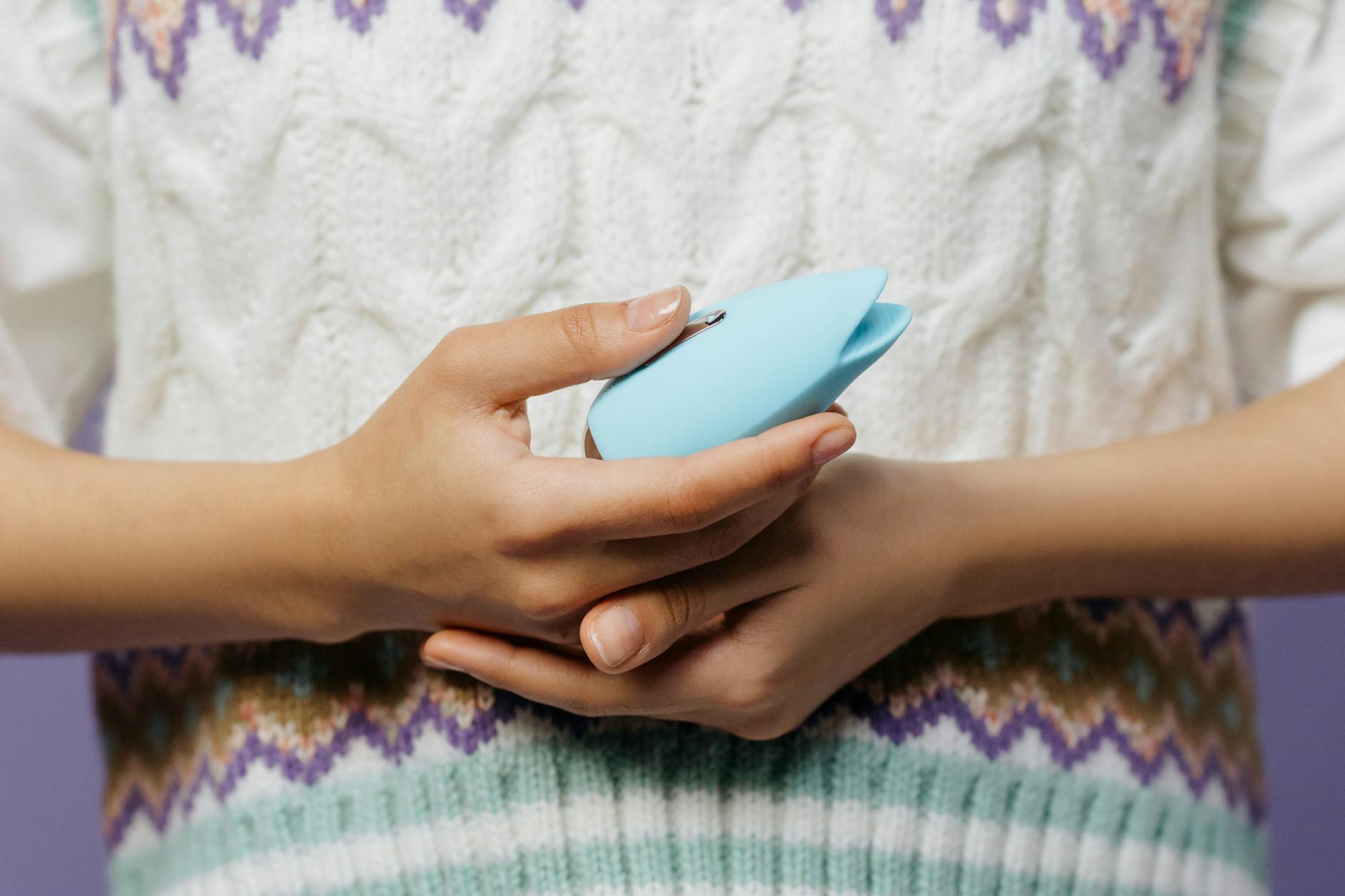
Let's name the friction first
One person suggests bringing a toy into the bedroom. The other person hears: "What we're doing now isn't enough." That's the gap. Not a gap in desire or attraction. A gap in what the same words mean to each of you. The Lemon Clit Toy isn't a criticism. It's a tool. But telling your partner that when they're feeling defensive or nervous is about as useful as a paragraph of reassurance that nobody asked for.
I've worked with hundreds of couples navigating this exact moment. The ones who get through it cleanly aren't the ones with the highest libidos. They're the ones who treat the conversation like a negotiation, not a sales pitch.
Why the discomfort shows up in the first place
Three things are usually happening at once, even if nobody says them aloud.
First, there's shame. Not about desire. About the fact that you want something. We're still culturally weird about women's sexuality, and even weirder about the fact that clitoral pleasure sometimes needs tools to happen reliably. Your partner might have absorbed the idea that if you need a vibrator, something's wrong with them. It's absurd. It's also a real thing people believe.
Second, there's vulnerability. Watching your partner use a toy is intimate in a different way than regular sex. It requires a specific kind of witness. Not everyone's ready for that, and that's fine information to have.
Third, there's novelty anxiety. When something's been the same for years, change feels risky. What if it's weird? What if it doesn't work? What if I can't perform the same way with this thing in the room? These questions don't get asked aloud either, but they're running in the background.
Your job isn't to fix those feelings. It's to acknowledge them exist, and then move forward anyway.
Start the conversation before the toy arrives
Don't introduce a lemon vibrator mid-sex when someone's vulnerable and can't easily leave the room. That's setting yourself up for a conversation that collapses into mutual defensiveness.
Instead, pick a normal moment. Not in bed. Not during an argument. Not after sex when emotions are high. Pick a moment when you're both clothed, fed, and calm.
Say something like: "I've been thinking about trying a new toy. I'm excited about it, and I want us to explore it together. But I also know this might feel weird at first, and I want to make sure we're on the same page before anything happens."
Notice what's in that sentence: excitement (not shame), partnership ("we"), and permission for your partner to have feelings about it ("might feel weird"). You're not asking permission. You're narrating what's about to happen and inviting them into the planning rather than the surprise.
Your partner will probably say one of three things:
- "Yeah, let's do it." Great. Move to the next section.
- "I'm not sure. Tell me more." Perfect. You have a conversation.
- "No, I'm not comfortable with that." Okay. Now you have real information instead of guessing.
If it's option three, you don't shame them or pressure them. You ask what the worry is. Usually it's one of the things I named above. Name it back. "You're worried this means you're not enough." "You're nervous about trying something new." "You feel like this is coming out of nowhere." Let them sit with being understood. That's half the battle right there.
The first time you use it together, keep it simple
Don't make the first experience about perfect orgasm or maximum pleasure. Make it about information gathering. That takes pressure off both of you.
Here's what works: You use your lemon vibrator. They watch, touch you, or just be present. That's it. No performance required from them. No penetration or specific choreography. Just you exploring what feels good while your partner gets to see what happens when you use it.
This accomplishes three things simultaneously. Your partner gets comfortable with the toy existing. You get to enjoy it without worrying about their comfort. And your partner sees you enjoying it without it being a referendum on whether they're "enough."
Most partners relax once they see the actual experience. It's less mysterious when you're just quietly using a tool and happening to have a good time, rather than them imagining some weird scenario they've built up in their head.
Move at their pace, not yours
If your partner watched you use your lemon vibrator and seemed fine, don't assume the next step happens next weekend. Let them come to you. "Did you think about what you saw? Want to talk about it?" Sometimes partners need time to sit with the idea. Sometimes they need to feel like they're choosing this, not being dragged into it.
Common next steps, in order of consent:
- They ask questions about how it feels.
- They want to hold it while you use it.
- They want to try it on you while you're aroused.
- They want to use it on themselves (with you present or not).
- You both use toys during sex together.
None of these are requirements. Some couples stop at step two and that's totally fine. The point is watching your partner choose to move forward instead of feeling like you're pulling them along. People who feel like they're choosing something are infinitely more relaxed than people who feel like they're complying.
When your comfort levels stay mismatched
Sometimes you move through the whole process and your partner is still not enthusiastic. They're not saying no. They're just... tolerating it. That's different from comfort, and it matters.
Honestly? You have a choice. You can use toys alone or during solo time, and keep partnered sex separate. Plenty of people do this. You're not entitled to your partner being excited about everything you're excited about. But you're also not required to shrink your sexuality to make someone else comfortable.
The conversation at this point is real. "This is something that feels important to me. I need to figure out how we can both get what we need here." Sometimes that's splitting the difference. Sometimes that's acknowledging you have different sexual needs and finding ways to honor both. Sometimes it means accepting that this particular desire won't be something you share.
What it doesn't mean is silence, resentment, or you just giving up on something you want. That's how people end up disconnected years later, blaming the toy instead of the conversation they never had.
The unexpected benefit of the awkward talk
Here's what I see happen over and over in my practice: couples bring up the toy conversation, it feels uncomfortable, they navigate it, and suddenly they're talking about other things they've been thinking about. Kink curiosity. Timing preferences. What they actually want foreplay to look like. The toy conversation isn't the destination. It's the door that opens other doors.
You don't get there by pretending the discomfort doesn't exist. You get there by moving through it together, naming it, and staying on the same team instead of opposite sides.
Introducing a lemon clitoral vibrator isn't about the toy. It's about practicing how you talk about desire with your partner when desire looks different. That skill is useful for everything.
FAQ
How do I bring up lemon vibrators if my partner has never used toys before?
Start with curiosity, not conviction. "I read something interesting about clitoral vibrators. Have you ever thought about trying one?" Listen to their answer without immediately launching into benefits. If they say no, that's the end of the conversation for now. If they seem curious, you can share what you've learned. The goal is information exchange, not persuasion.
What if my partner thinks suggesting a vibrator means I'm not satisfied?
Say it directly. "I'm not asking for this because something's missing. I'm asking because I want to explore something that could feel really good. And I want to do it with you." Then let them believe you or not. You can't control that, but you can be clear. Most of the time, hearing it straight settles the fear faster than dancing around it.
Is it okay to use a lemon vibrator during sex if my partner is uncomfortable with it?
Only if you've had the conversation and gotten an actual yes. "Uncomfortable" and "yes" are not the same thing. Uncomfortable is something to address, not to work around. If your partner genuinely doesn't want it during sex, there are other times to use it. Your solo pleasure is valid. But partnered sex with an unwilling participant isn't.
How long should we wait before trying a lemon vibrator together after the initial conversation?
There's no timeline. Some couples do it the next time they're intimate. Some take weeks. What matters is that both people feel ready, not that you hit some arbitrary deadline. Readiness is something you check in on, not something you assume.
What if my partner wants to use a lemon vibrator but I'm the one who's nervous now?
Turn the conversation around. Let them know what you're nervous about specifically. Is it the visual? The sound? Feeling like you're not doing enough? Once it's named, you can work with it. Sometimes it's just exposure. Sometimes it's a real incompatibility that needs talking through. But you can't solve it if you're both just going along pretending everything's fine.
Can using a lemon vibrator with my partner help us reconnect if we've been distant?
It can be part of reconnection, but it's not the solution by itself. If you're distant, the distance comes first. A toy won't fix that. But a conversation about the toy, and all the other conversations that conversation opens up, might. You're reconnecting through talking, not through the vibrator. The toy is just what you're talking about.
The real thing beneath the awkwardness
Bringing any new tool into your partnership requires you to talk about desire in a way a lot of couples never do. It feels vulnerable and weird. It also works. The couples who use this moment to practice honest conversation, without shame or pressure, end up closer. Not because of the toy. Because they practiced saying what they want and listening when their partner said what they wanted.
That's the actual skill. The lemon vibrator is just the excuse to practice it.
If you're stuck on where to go next, a real conversation with your partner (not a scripted one) is always the first step. And if you need support navigating relationship transitions or intimacy patterns, I'm here to help. Reach out at /contact.