The stress-libido connection nobody warns you about
Here's what nobody tells you: stress doesn't just kill the mood. It literally dismantles the physical architecture of desire. When you're in chronic stress, your cortisol is elevated, your blood flow redirects away from your genitals and toward your limbs and heart, and your brain stops producing the dopamine and oxytocin that make pleasure feel possible. You're not broken. You're not asexual. Your body is just in survival mode.
The frustration happens because most people treat low libido like a personal failure instead of a biological response. Your partner might feel rejected. You might feel guilty. But what you actually need is permission to rebuild arousal slowly, without the pressure that makes everything worse.
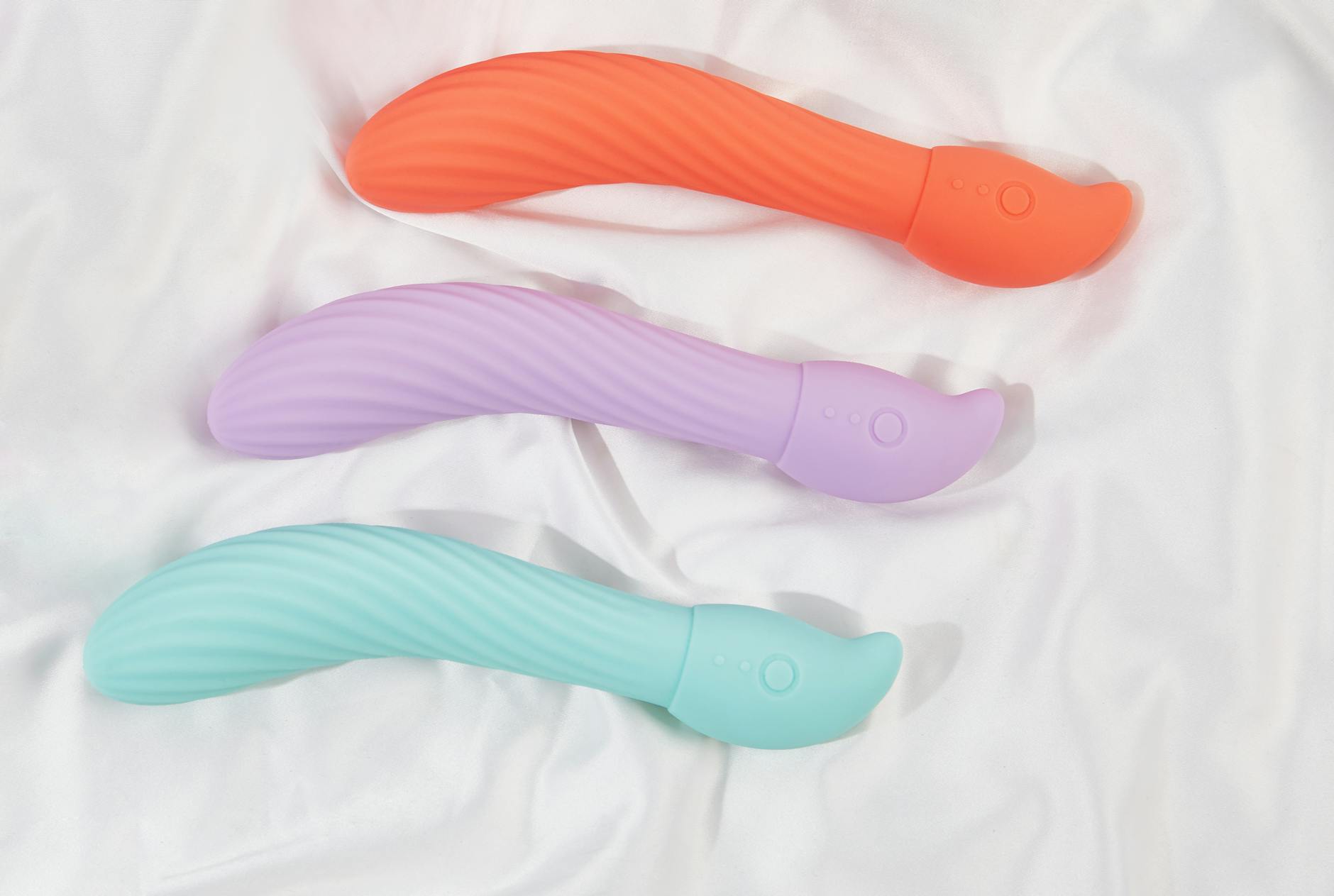
That's where a lemon clitoral vibrator becomes genuinely useful, not as a miracle fix, but as a tool that helps you reconnect with sensation when your brain is too loud.
Why stress fundamentally rewires arousal
When you're under sustained pressure, your nervous system camps out in fight-or-flight mode. Your amygdala (the alarm system) is basically running the show. Pleasure requires the opposite state. It needs your parasympathetic nervous system, the rest-and-digest part of your brain, to take the wheel.
This is why you can't just "try harder" into arousal. Willpower doesn't work on cortisol. You have to trick your nervous system into relaxation first. That's the actual step one.
The second thing stress does is deplete dopamine and norepinephrine, the chemicals that make pleasure feel rewarding. Without them, even things that used to feel amazing can feel flat or even anxiety-inducing. Your body isn't remembering what good felt like. A lemon vibrator helps because the focused, predictable stimulation it provides can actually signal to your nervous system that it's safe to feel something.
Starting small when your desire is running on empty
If you're coming back to pleasure after stress, forget everything you think you know about how sex or solo time "should" work. Throw out the performance metrics. Orgasm isn't the goal right now. Sensation is.
Start by using your lemon vibrator in a completely non-sexual context. I mean this seriously. Turn it on and rest it against the inside of your wrist, your neck, your collarbone. Notice what neutral sensation feels like. Your nervous system has to relearn that touch and vibration aren't demands. They're just input.
When you're ready to try direct clitoral contact, here's the sequence I recommend:
Week one: Five minutes, once or twice a week, lowest setting. Apply the vibrator without expectation. The goal is sensation awareness, not arousal.
Week two: Five to ten minutes, same frequency, still lowest setting. Now you're allowed to notice what feels good without chasing it.
Week three and beyond: Increase time and intensity only if desire is actually building. If it's not, stay where you are. There's no timeline.
The role of lube when stress has dried you out
Stress also tanks your natural lubrication. Your body is literally pulling resources away from moisture production because it's in crisis mode. This is another place where guilt sneaks in. You think "I should be naturally lubricated," so you feel broken when you're not.
You're not. You're stressed.
Water-based lubricant becomes part of your arousal toolkit right now, not a sign of failure. Use generously. Reapply often. A lemon clitoral vibrator works best on well-lubricated tissue anyway, because the suction mechanism depends on that seal and glide.
Silicone lube feels richer and lasts longer, but it can degrade silicone toys. For a Hello Nancy lemon vibrator, stick with water-based.
The nervous system reset that actually matters
Here's something most advice gets wrong: you can't separate pleasure from safety. Your nervous system has to feel safe before your body will let you feel anything else.
This means the environment matters. Temperature, noise, interruption risk, and privacy all signal to your amygdala whether pleasure is safe right now. Create the conditions you need. Warm room. Door locked. Phone in another room. Fifteen minutes minimum with zero distractions.
Then take five minutes just breathing before you even touch yourself. Not meditation breathing, just slow, full breaths. Your vagus nerve responds to this. Your parasympathetic nervous system downshifts. Your body gets the message that survival isn't the priority.
Only then do you pick up the lemon vibrator. Start with that pressure on your inner wrist again, even if you've done this before. Let your nervous system register the input as safe.
Using a lemon vibrator solo versus with a partner when libido is low
If you have a partner, this is where communication becomes non-negotiable. Here's what I tell couples: low libido after stress is not a couples problem first. It's an individual nervous system problem. Trying to solve it through partnered sex usually makes it worse because now there's performance pressure on top of the existing stress.
How to use a lemon vibrator solo vs. with a partner has different timing and dynamics. Right now, when desire is fragile, solo exploration needs to come first.
Tell your partner: "I'm rebuilding arousal on my own schedule. This isn't about you. When I'm ready to reconnect, I'll let you know." Then actually do that work. Once you've spent a few weeks finding sensation again on your own terms, partnered play becomes possible without the weight of expectation.
The dopamine retraining effect
One more thing happens when you use a lemon vibrator consistently during recovery. Your brain starts associating the sensation with pleasure again. Dopamine gets released. Your reward pathways light up. Over time, your baseline dopamine creeps back up.
This takes weeks or months, not days. But it works. I've seen it with clients over and over. They start with no desire, use their vibrator on the lowest setting, and within three to four weeks they notice the first spark of actual interest in sex. By week six or eight, real arousal starts returning.
The key is consistency without pressure. Same time of week if possible. Same low-stakes mindset. No grading yourself. No wondering if it's "enough."
When stress isn't the whole story
If you've been using a lemon clitoral vibrator consistently for eight weeks and your libido still hasn't shifted, something else might be happening. Medication side effects (especially antidepressants), hormonal imbalances, untreated depression, or relationship issues could be the real culprit.
That's when you talk to your doctor or a therapist. But start with the nervous system recovery protocol first. Most of the time, low libido after acute stress resolves once you give your body permission to feel safe again.
FAQ: Rebuilding arousal after stress with a lemon vibrator
How long does it take to get libido back after major stress?
It depends on the stress and your individual biology, but most people see some arousal returning within four to six weeks of consistent, low-pressure stimulation. Major life transitions or trauma might take longer. The timeline isn't linear, either. You might have a week where desire feels normal, then drop again during a stressful period. That's not failure. That's your nervous system responding to real input.
Can I use a lemon vibrator if I'm on antidepressants and have no libido?
Absolutely. Many SSRIs tank libido as a side effect, and that's a real medical issue worth discussing with your prescriber. But while you're working on that conversation, using a lemon vibrator on low settings can help maintain some neural connection to pleasure. It's not a cure, but it keeps the pathways active.
Should I use my lemon vibrator every day when rebuilding desire?
No. Too much stimulation can actually make your nervous system more defensive. I recommend two to four times per week when you're in recovery mode. This gives your nervous system time to integrate the sensation and dopamine to rebuild without exhausting your system.
What if my partner wants to help but I have no libido?
The best thing your partner can do is create safety and remove expectations. No initiating sex. No suggesting that you "just try." If they want to help directly, they could run a bath, handle the kids, or clear your schedule so you have guilt-free time alone. Physical help with stress actually does more for your libido than physical touch right now.
Is it normal to feel nothing even with a lemon clitoral vibrator?
Yes, completely normal when stress is acute. Numbness is actually your nervous system's protective response. Keep using the vibrator on low settings anyway. You're not trying to force pleasure. You're slowly retraining your nervous system to recognize that touch is safe. Sensation will return.
How do I know when I'm ready to include my partner again?
You'll notice actual interest in sex, not just willingness. You'll think about your partner and feel something that resembles desire, not obligation. You'll want to initiate something physical, even if it's not full sex. That's the signal that your nervous system has genuinely downshifted. Until then, keep the focus on yourself.