Let's name the thing nobody talks about
You can orgasm alone. Easily. Maybe even reliably. But the second your partner's in the room, something shifts. The orgasm moves further away, not closer. You're present, you're aroused, you want it to happen, and yet. Nothing.
This isn't a sign you don't want your partner. It's not a sign the relationship is broken. It's a really common nervous system response, and it's fixable.
Why the orgasm disappears when they're there
Here's the physiology part. Your brain has two modes: sympathetic (fight-or-flight, alert, scanning for danger) and parasympathetic (rest-and-digest, relaxed, turned on). Orgasm lives in the parasympathetic system. The moment a partner is present, your nervous system often flips into sympathetic mode without you even noticing it.
Why? Performance pressure. Vulnerability. The weight of them watching. Sometimes it's specific to your partner's breathing or timing. Sometimes it's the fear of taking too long and becoming "a project" instead of a pleasure. Your brain is trying to protect you, and it's wildly effective at blocking orgasm.
The other piece is physical. During partnered sex, stimulation patterns usually shift. Your partner's hand or body moves differently than your hand does. The angle changes. The rhythm changes. And if your orgasm lives in a very specific pattern (which is true for most people), that pattern gets interrupted.
The lemon clitoral vibrator changes the equation
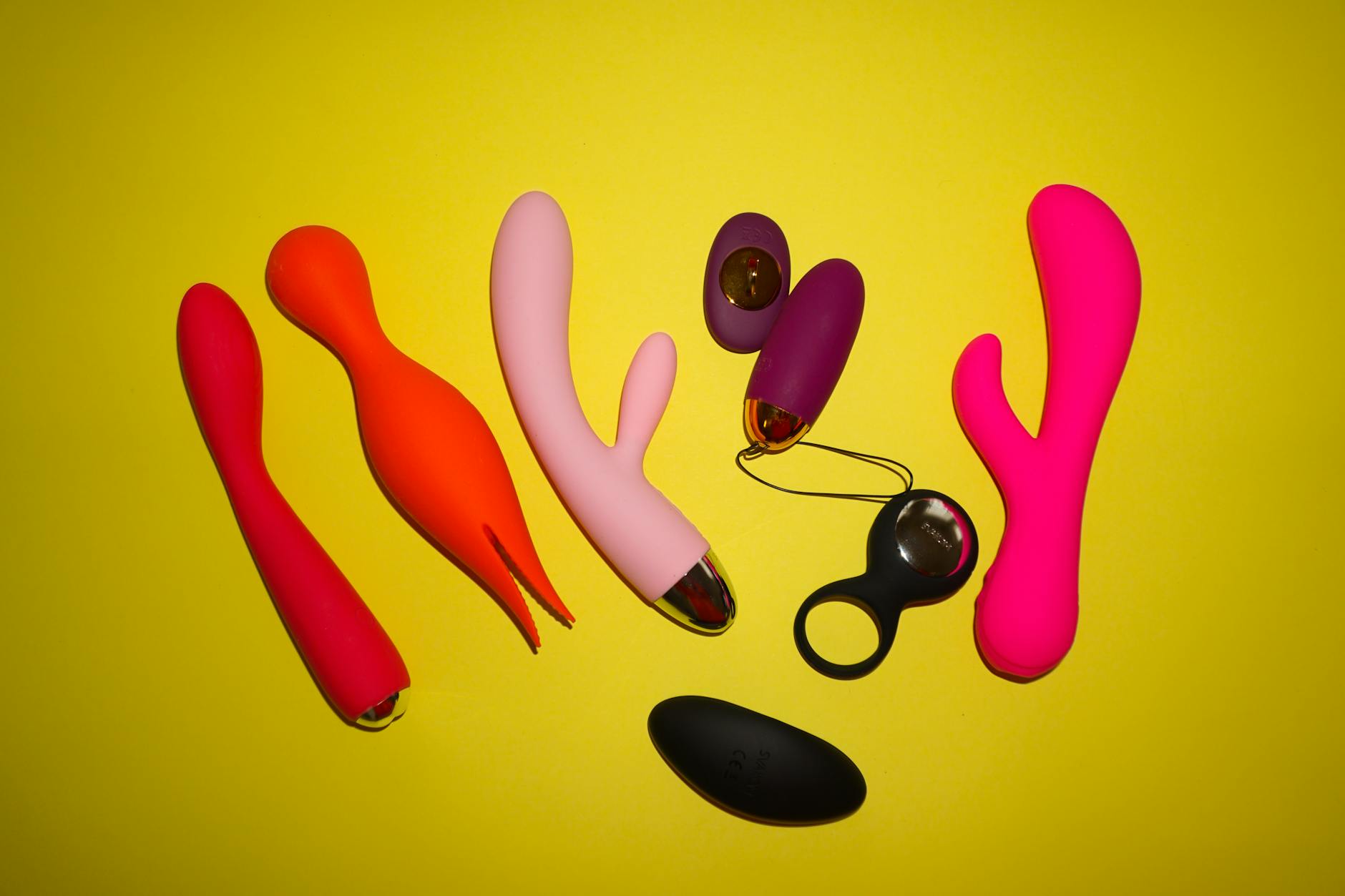
A lemon vibrator like the Lem does something your partner's hand alone can't do. It delivers consistent, targeted stimulation that you can control. More importantly, it removes the pressure from your partner to be the one "making it happen."
When your partner isn't responsible for your orgasm, they can relax. When they relax, you relax. That's the nervous system shift that matters.
The Lem's suction technology also feels different from penetration or friction. It's concentrated, it's customizable, and it's something new your nervous system hasn't coded as "I need to perform now" yet. That newness is sometimes the permission your body was waiting for.
The conversation before you bring it in
This is the part that feels scary. Here's how to do it without turning it into a therapy session.
Pick a moment that isn't during sex. Not in bed. Maybe over coffee or while you're cooking. Open with honesty, not apology.
"I've noticed I come more easily when I'm alone, and I want to figure out how to bring that into our sex life. I'm not saying anything is wrong with what we're doing. I just want to explore adding something that gets me there faster so we can both actually enjoy the whole thing."
That's it. You're not blaming them. You're not making it about their technique. You're naming a practical thing (I orgasm faster with X) and offering a solution (let's add X to what we're already doing).
Most partners respond well to this because it removes the hidden pressure they didn't even know they were carrying. They might say "I knew you were taking longer" or "I was wondering if there was something I could do differently." Both of those conversations are actually better than silence.
How to actually use it together
Start small. Not during penetration. Maybe during foreplay, before any pressure exists.
They watch, or they touch you elsewhere, or they're just present. You use the Lem at your own pace. Speeds 1-3 first, never skip the ramp-up. The point isn't to perform an orgasm for them. The point is to show your nervous system that you're safe, that there's no rush, and that this thing feels good.
Once you're confident alone with your partner present, add it during partnered sex. They're inside you or beside you, and you're using the Lem on your clitoris. This is actually how many couples find the rhythm that works because you're managing your own stimulation while they manage theirs.
Some partners love using the Lem on you. If that happens, let them learn your rhythm by watching you first. Don't hand it over until you've shown them what speeds and angles work. It's tempting to give them control to make them feel involved, but that usually just moves you back into performance mode.
When one of you feels left out
This is the most common friction point. Your partner worries the vibrator means they're not enough, or they feel sidelined, or they want to be the one making you come.
Here's the reframe: the Lem isn't replacing them. It's freeing them from an impossible job. The fantasy is that a partner can just know your body and give you perfect pleasure. The reality is that even people with vulvas don't always know what will work on any given day.
A lemon clitoral vibrator lets you both focus on connection instead of performance. That's actually more intimate than pretending one person can do everything alone.
If they're still resistant, maybe the honesty is this: "I'm not asking for permission. I'm asking for partnership. I want to figure out my pleasure, and I want you in the room for it."
The emotional piece nobody mentions
Sometimes you can't orgasm with a partner because there's resentment there. Or because you're not actually attracted anymore. Or because you don't feel safe. A lemon vibrator won't fix those things. It'll just make you more frustrated.
If the lack of orgasm feels tied to something deeper in the relationship, that's a different conversation. That's probably therapy territory, not vibrator territory. But if the relationship is solid and it's just this one gap, the Lem can bridge it genuinely.
What actually shifts over time
Once your nervous system learns that partnered sex plus lemon vibrator equals orgasm, something interesting happens. Sometimes the brain starts relaxing even without the vibrator because it remembers that pleasure is possible in that context. You might find that over weeks or months, you don't need the Lem every single time.
Or you might just keep using it because it feels good and takes the pressure off. Both are fine.
The goal isn't to eventually orgasm without it. The goal is to actually enjoy partnered sex instead of spending the whole time waiting for an orgasm that may never come.
The awkwardness you're worried about isn't real
You're imagining this will be weird. It won't be. Sex is already weird. You're naked. You're vulnerable. You're in someone's body or they're in yours. Adding a clitoral vibrator to that is like adding one more honest thing to a situation that's already full of honesty.
Your partner has probably already noticed you're not coming. They're probably already worried about it. Introducing the Lem gives you both permission to stop pretending and start actually solving it.
That's not awkward. That's intimacy.
FAQ
Why can I orgasm alone but not with my partner?
Your nervous system goes into alert mode when someone else is present. This is a protection mechanism, not a reflection on your partner or your relationship. During solo sex, your brain is fully in the parasympathetic (pleasure) state. Add another person, and performance pressure often kicks in unconsciously. Additionally, the stimulation pattern usually changes when a partner is involved, and if your orgasm is pattern-specific (which most are), that shift disrupts the pathway to orgasm.
Will using a lemon vibrator make my partner feel inadequate?
Not if you frame it as a tool for connection rather than a replacement. The honest conversation is key. Most partners feel relieved when they learn they don't have to be solely responsible for your orgasm. Many also discover they enjoy partnered sex more when there's no pressure to "make" something happen. Consider letting them watch or participate so they feel included rather than sidelined.
Is it okay to use a lemon clitoral vibrator during penetration?
Absolutely. Many couples find this gives them the best of both: your partner is present and inside you, and you're getting the direct clitoral stimulation that leads to orgasm. Start with slower penetration and lower vibrator speeds so the sensations don't overwhelm your nervous system. You control the pace and intensity of the vibrator, which helps you stay in charge of your pleasure.
What if my partner wants to use the lemon vibrator on me but I find it distracting?
Keep control of it yourself at first. Show your partner the speeds and patterns that work for you by using it while they watch. Once you're comfortable, you can hand it over if you want to. But there's no rule that says they have to control it. Sometimes the best partnered sex is when you're managing your own clitoral stimulation while they focus on their side of things.
How do I bring this up without making it about their "performance"?
Frame it as a practical observation, not a criticism. Try: "I notice I orgasm faster when I have direct clitoral stimulation. I'd like to add that to what we're doing together so we can both actually relax and enjoy ourselves." You're not saying they're doing anything wrong. You're naming what works for your body and suggesting a solution that benefits both of you.
Will my partner think I'm not attracted to them if I want to use a vibrator?
Not if you're clear that attraction and orgasm are different things. You can be wildly attracted to someone and still have a nervous system response that blocks orgasm when they're present. This is biology, not rejection. Most partners feel more connected once they understand this, because it shifts the focus from "Am I doing it right?" to "How can we both feel good?"
The simple version
Here's what matters. You deserve to have orgasms in partnered sex if you want them. Your partner probably wants that for you too. A lemon clitoral vibrator is a practical tool that helps your nervous system relax into pleasure instead of tightening into performance mode. Bringing it into your sex life is not a failure. It's actually one of the most honest, collaborative things you can do as a couple. Start with the conversation. Stay curious. The rest usually follows.