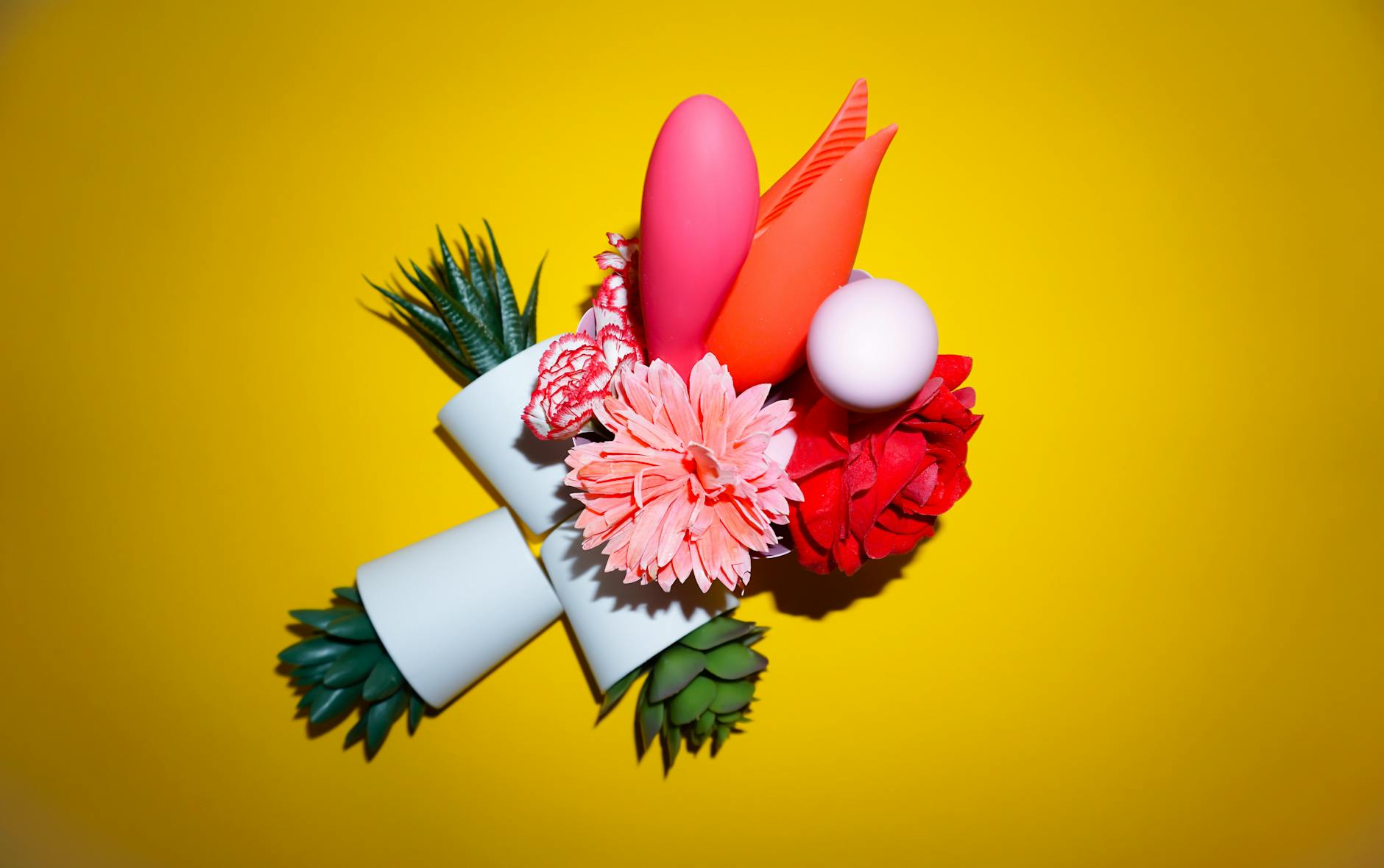
Starting HRT is a threshold moment.
You're not just treating symptoms. You're rebalancing your entire nervous system. That shift will affect your sleep, your mood, your energy, and yes, your sexual response. Most people never talk about that last part, which means you're left guessing whether what you're feeling is normal or something to worry about. It's normal. And it's also temporary.
What hormone therapy actually does to your body
If you're starting estrogen and progesterone (or testosterone, depending on your regimen), the first month is chaos in the best way. Your body has been running on fumes or running too hot. HRT brings equilibrium. But that equilibrium arrives gradually.
In weeks one through three, many people feel groggy or emotionally flat. Your neurotransmitters are recalibrating. Serotonin and dopamine levels shift as your hormones stabilize. This is why you might feel less interested in sex, less capable of arousal, or more aware of numbness you didn't know you had. You're not broken. Your brain and body are literally rewiring.
By week four, that fog often lifts. Energy returns. Mental clarity arrives. And then, around week six to eight, sensitivity starts to change again. Tissue becomes more plump. Blood flow increases. Lubrication improves if that was an issue. The clitoris becomes more responsive.
But here's the thing nobody mentions: that sensitivity doesn't feel like it used to. It can feel sharper, more alert, sometimes almost too much.
Why sensation changes during the first months of HRT
Three things are happening in parallel.
First, your baseline nervous system state is different. Hormones regulate how easily your nervous system gets activated. If you've been dysregulated for a while before starting HRT, your body spent months or years overcompensating. When hormones balance, that compensation drops. Sensation that felt dull suddenly feels vivid because you're not fighting yourself anymore.
Second, tissue density changes. Estrogen plumps skin and mucous membranes. Your vulva becomes more elastic, more vascularized. The clitoral hood softens. This means direct stimulation that felt fine before might now feel intense or even sharp. This is why traditional vibrators often feel wrong during early HRT. They deliver constant, high-frequency buzz to tissue that's hypersensitive and still adjusting.
Third, arousal timing shifts. Before HRT, you might have needed 20 minutes of buildup. Now you might need 10, or you might need 25. The pathway from stimulation to arousal to plateau to orgasm is rewiring in real time.
Why a lemon clitoral vibrator works better during hormonal transition
A lemon vibrator uses gentle suction and pulsation instead of aggressive vibration. That matters enormously during HRT transition.
Suction stimulates the clitoris from a distance. You're not grinding a buzzing head directly onto tissue. Instead, you're creating a gentle pressure field that engages the whole clitoral complex, not just the surface. For someone whose tissue is swollen and hypersensitive, that's the difference between pleasure and discomfort.
The pattern options on a lemon sucker also let you control the intensity curve. You can start at pattern one, which feels like a gentle pulse, and work your way up. You're not locked into one vibration speed. This is crucial during HRT, when your tolerance can change week to week.
And honestly? The design itself matters. The Lem is beautiful, which sounds trivial until you're trying to reconnect with your body during a transition and the thing you're using reminds you of a power tool. A tool that looks like art makes the whole ritual feel like self-care instead of troubleshooting.
How to approach pleasure during your first HRT months
Week one through three: Let yourself sit with low libido if that's what shows up. Don't force it. Your body is healing. If you do want to explore sensation, use your hands first. Warm water, lots of time, no agenda. See what's different.
Week four through six: This is when you might start a lemon vibrator. Your energy is returning, and your body is becoming more responsive. Treat the first few times like research. Use the lowest setting. Warm up first. Pay attention to how tissue feels, whether your arousal is building the way it used to, whether anything feels sharp or wrong. Soreness after is information. Pleasure is information. Both matter.
Week six onward: By this point, most people have clarity on how HRT is reshaping their sexual response. Sensitivity has usually stabilized. Arousal timing is more predictable. You can experiment with higher patterns on a lemon clitoral vibrator without surprise discomfort. Many people find that their orgasms during this period are deeper and more full-bodied than they were pre-HRT. That's not always instant, but it often arrives.
What to tell a partner during this transition
If you're with someone, the honesty here matters more than the perfection. "My body is changing in ways I don't fully understand yet" is enough. "I want to explore at my own pace" is valid. "I need to rediscover what feels good" is true and sex-positive.
Many relationships actually deepen during HRT transition, because for the first time, one partner is saying, "I need to prioritize my own sensation and figure out what works for me." That's not selfish. That's the foundation of good sex.
If you want to use a lemon vibrator together, frame it as exploration, not problem-solving. You're both learning how your body is changing. The vibrator is a tool for that discovery.
Common things that show up and what they mean
Numbness alongside heightened sensation. This sounds like a paradox, but it's real. Different nerve pathways are activating. You might feel less in one area and way more in another. This usually smooths out by week eight.
Soreness or raw feeling after use. If this happens, your tissue is still swollen and you're using too much intensity. Back off. Warm water helps. So does a longer warm-up. Your Lem probably has lower settings you haven't tried yet.
Arousal that feels chemical rather than emotional. HRT can create physical readiness that happens independently of psychological desire. This is normal. Some people like this shift. Others find it strange. Both responses are fine.
Orgasms that feel different in shape or intensity. Shorter. Longer. Waves instead of peaks. More localized or full-body. All of this is normal during the first three months. Your nervous system is finding new pathways.
When to check in with your HRT provider
Bring up sexual function at your follow-up appointment. Most providers don't ask unless you do, and they should know. If soreness persists beyond eight weeks, if arousal completely disappears, or if you're having pain rather than discomfort, mention it. Sometimes the dose or type of HRT needs tweaking. Sometimes you need a different cream or supplement. Your provider has tools.
That said, sensation changes in the first three months are almost never a sign that something's wrong. They're a sign that something's adjusting.
The thing about HRT and pleasure
Most transition narratives focus on mood, energy, temperature regulation. But the truth is that HRT often returns sexuality too. Not everyone's experience is the same, but many people find that pleasure becomes more accessible, more responsive, more interesting after a few months of hormone stability.
A lemon clitoral vibrator during this period isn't a Band-Aid. It's permission to stay curious about your body while it changes. It's a way to practice gentleness with yourself. And it's a tool that actually works with your shifting sensitivity instead of against it.
You're not trying to get back to how things were. You're discovering how they can be now.
People also ask
How long does it take for sexual function to return after starting HRT?
Most people notice shifts by week four, but the full adjustment takes eight to twelve weeks. Libido often returns by week six. Arousal and sensation typically feel more normal by week ten. This varies widely depending on your dose, your body chemistry, and your baseline. Some people feel improvement in three weeks. Others take four months. Both are normal.
Can I use a regular vibrator while starting HRT or should I wait?
You can use one, but you might find it uncomfortable. HRT swells tissue, which makes the clitoris hypersensitive to direct vibration. Many people who used traditional vibrators before HRT find they need to take a break or switch to something gentler like a lemon sucker. If you want to keep using what you have, stick to the lowest setting and use it less often. But if it feels wrong, your body is telling you something. Listen to that.
Will HRT make me want sex more or less initially?
Both are common. The first month often brings lower libido because your brain chemistry is recalibrating. By month two or three, desire usually returns and sometimes arrives stronger than before. If your libido doesn't improve after twelve weeks, talk to your provider. Sometimes the dose needs adjustment, or sometimes there's another factor at play like medication interactions or ongoing stress.
Is it normal for orgasms to feel different on HRT?
Completely normal. Orgasms often change in sensation, duration, and intensity. Some people experience multiple waves instead of one peak. Others feel more intensity in the clitoris than before. Some experience full-body sensation. These changes usually settle by month three, though they often persist because HRT has literally changed your nervous system physiology.
Should I tell my HRT provider about sexual side effects or changes?
Yes. Bring it up. If you're experiencing pain, persistent numbness, loss of sensation beyond three months, or complete loss of desire, your provider needs to know. They can assess whether it's a dose issue, a medication interaction, or something unrelated to HRT. Sexual function matters, and most providers want to support it.
Can I use a lemon clitoral vibrator the same way after HRT as I did before?
Probably not at first. Start gentler. Your settings might shift. Your warm-up time might change. By month four or five, you'll likely be back to your previous patterns, but you might discover new favorites. The Lem's pattern options give you room to experiment as your sensitivity settles, which is helpful during this transition.
HRT is one of those rare moments when your body resets. A lemon vibrator helps you move through that reset with curiosity instead of confusion. Your pleasure matters, and it deserves attention during this threshold.