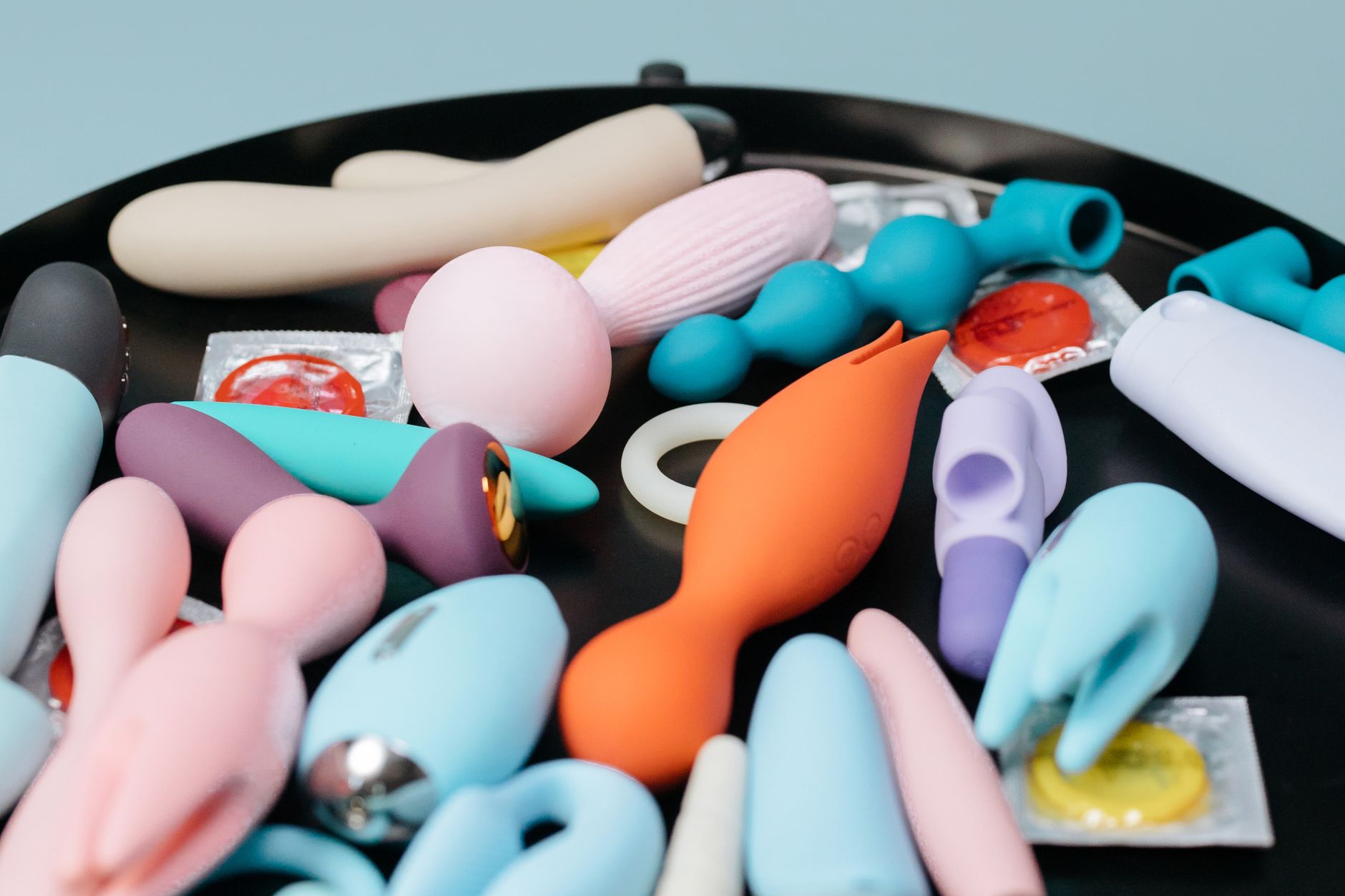
Sensation loss is real and more common than you think
Let's be real. You're here because touch that used to feel electric now feels like you're touching the sensation through a wall. Your partner does something that used to drive you wild, and you feel... nothing. Or numbness. Or a distant echo of pleasure that used to be front and center.
This isn't a sign that something is broken. It's a sign that something is changing, and there's a reason.
Why sensation gets muted in the first place
Sensation loss doesn't arrive out of nowhere. It's usually tied to one of several very concrete things happening in your body or life.
The most common culprit is desensitization from repetitive stimulation. If you've been using the same toy at the same intensity for years, your nerve endings have literally become less responsive. It's not a character flaw. It's neurology. Your brain has learned to tune out a stimulus it encounters constantly. This is the same reason you stop noticing a background hum in your house.
Medication is another major one. Antidepressants, birth control, blood pressure meds, antihistamines. They're doing important work in your body, but sometimes that work includes dampening sensation in your genitals. Hormonal shifts from perimenopause or menopause do the same thing. Estrogen isn't just about lubrication. It feeds tissue sensitivity. When it drops, sensation follows.
Then there's the invisible stuff. Stress, burnout, anxiety, depression, relationship fatigue. When your nervous system is stuck in fight-or-flight mode, pleasure gets deprioritized. Your body literally doesn't have bandwidth for it. You can touch all the sensitive spots and there's still nothing there because your brain is elsewhere, scanning for threats.
Pelvic floor tension does this too. When your pelvic floor is clenched (from trauma, habit, or chronic stress), blood flow decreases and nerve sensitivity drops. The area becomes less responsive, not less capable.
Why lemon clitoral vibrators work when regular ones fail
Here's where the Lemon vibrator's design becomes your actual ally.
Most traditional vibrators rely on direct mechanical vibration. When your sensation is already muted, that vibration often doesn't register strongly enough to break through the numbness. You crank it up, but it still feels distant. Some people end up chasing higher and higher intensities, which deepens the desensitization problem.
The Lemon uses air-suction technology instead. It creates a rhythmic pulse that stimulates not just the surface of tissue but the deeper nerve clusters in the clitoral complex. This dual-layer stimulation often registers differently in the nervous system than traditional vibration alone. For people experiencing numbness, this can mean sensation that actually penetrates the fog.
The suction also has a feedback loop benefit. When you feel more, you relax more. When you relax more, blood flow improves and sensation improves further. A traditional vibrator might leave you chasing numbly. A lemon clitoral vibrator can create an upward spiral.
The reset protocol: using a lemon vibrator strategically
If you've been numb for a while, you can't just flip a switch. Your nervous system needs to be retrained to recognize pleasure as important again.
Start with breaks first. If you've been using toys daily or multiple times daily, take a full week off. No stimulation. This sounds counterintuitive when you feel numb, but it actually resets your baseline sensitivity. When you come back to sensation, it registers more strongly because you haven't been constant.
After that week, return to the Lemon with this structure:
Use it once or twice a week maximum, not daily. When you do use it, start at pattern 1 or 2 (the gentlest settings). Many people with numbness jump straight to patterns 7 and 8, assuming that's the only way they'll feel anything. In fact, the lower patterns often work better because you're not fighting to feel something. You're slowly rewaking the nerve endings.
Budget 20 to 35 minutes of use. This isn't about the quickest orgasm. It's about sustained, gentle stimulation that lets your nervous system gradually recognize pleasure as safe and worth paying attention to. Many people find that numbness starts lifting around the 15 to 20 minute mark.
Pay attention to where you place it. The clitoral head is usually most sensitive, but if you're experiencing total numbness, try positioning it slightly to one side of the clitoris, or on the clitoral hood, or just at the opening of the vulva. Different spots have different nerve distributions. One area might light up before others do.
The mental piece that matters as much as the physical one
Here's something I see constantly in my practice. People with numbness eventually create a story around it: "I'm broken. I can't feel anything anymore. I'll never have good sex again." That story becomes a self-fulfilling prophecy because anticipatory anxiety actually makes numbness worse.
When you sit down with the Lemon, your job isn't to have an orgasm. It isn't even to feel a ton. Your job is to be curious and patient with your body. "What happens if I try this? What if I breathe into this? What if I move differently?"
This reframe is crucial. You're not demanding sensation to return. You're inviting it back. Huge difference neurologically.
Also consider this. Some numbness is tied to how you're feeling about your body, your partner, or sex itself. If you're using the Lemon to escape resentment or obligation, numbness often persists because your nervous system knows it's not safe. If there's a relationship or emotional component, that matters and often needs attention alongside the physical piece.
When to layer in other changes
The Lemon works best when you're also addressing the root cause.
If medication is the culprit, talk to your prescriber. Sometimes there are alternatives with fewer sexual side effects. Sometimes the dose can shift. Sometimes it's actually fine to stay on the medication and use tools like the Lemon to compensate.
If it's stress and burnout, numbness won't budge much until you address the nervous system activation underneath. That might mean therapy, it might mean rest, it might mean something else entirely depending on your life. But pleasure is hard to restore in a chronically activated nervous system.
If pelvic floor tension is involved, pelvic floor physical therapy can be genuinely transformative. A trained PT can help you release tension that's been dampening sensation for years. Many people report that sensation comes roaring back after even a few sessions.
If it's a relationship issue, that's a separate conversation worth having with your partner or a couples therapist. The Lemon is a tool, but it's not a replacement for emotional intimacy or connection.
Real timeline expectations
Sensation doesn't usually return overnight. In my experience, most people report noticeable shifts within 2 to 4 weeks of using the Lemon with intentionality and spacing. But the full restoration of sensation, especially if it's been gone for a long time, can take 2 to 3 months.
That timeline matters to know upfront so you don't bail on the process at week two thinking it isn't working.
Also, sensation often returns in layers. You might notice your thighs feel more easily, then your outer vulva, then the inner labia, then the clitoris itself. Your body has its own rewakening logic. Trust it.
The bigger picture
Mostly, I want you to know this. Numbness doesn't mean your capacity for pleasure has vanished. It means your nervous system has temporarily deprioritized it. And nervous systems can relearn. They do it all the time.
The Lemon's suction design works because it creates a stimulus that's different enough from what your nervous system has habituated to that it actually registers. Combined with patience, spacing, and attention to what's driving the numbness underneath, it becomes a genuinely effective reset tool.
Your body hasn't forgotten how to feel. It's just waiting for permission to remember.
People also ask
How long does it take to restore sensation after using a lemon vibrator?
Most people report noticeable changes within 2 to 4 weeks when using a lemon clitoral vibrator 1 to 2 times per week with intention. Full restoration, especially if numbness has been present for months or years, typically takes 8 to 12 weeks. The timeline depends on the cause of the numbness, how long it's been present, and whether you're addressing the underlying issue. Patience is key. Sensation rarely returns all at once. It usually comes back gradually in layers.
Can numbness come back after I restore sensation with a lemon vibrator?
It can if you return to the patterns that caused the numbness in the first place. If desensitization was the issue, using the Lemon daily at maximum intensity for months will eventually dull sensation again. The solution is rotating your approach. Use the Lemon 1 to 2 times weekly at moderate intensities rather than daily. If medication or stress caused the numbness, addressing those factors helps prevent recurrence. Think of restoration as creating new habits, not returning to old ones.
Should I use a lemon vibrator if sensation loss is from medication?
Yes, but use it as part of a broader conversation with your prescriber. Some medications genuinely suppress sexual sensation as a side effect, and sometimes alternatives exist. If you need to stay on the medication, the Lemon can help you maintain pleasure and keep sensation firing despite the medication's effects. It doesn't override the medication, but it does work around it by creating stronger stimulation that registers despite the dampening effect.
What's the difference between using a lemon clitoral vibrator and traditional vibrators for numbness?
Traditional vibrators rely on mechanical vibration, which your nervous system may have already habituated to if numbness comes from desensitization. The Lemon uses air-suction technology, which stimulates nerve clusters at different depths and in different patterns than standard vibration. This different stimulus often breaks through numbness that a traditional vibrator can't penetrate. Additionally, the suction creates a feedback loop of increased blood flow and relaxation that makes sensation easier to recover.
Is it normal to feel more sensation during certain parts of my cycle with a lemon vibrator?
Completely. Hormonal fluctuations throughout your cycle affect tissue sensitivity, lubrication, and nerve responsiveness. Many people find that the Lemon feels more intense or pleasurable during their ovulation window (days 12 to 16 of a typical cycle) when estrogen is higher. Sensation is often duller during the luteal phase or menstruation when estrogen dips. This is normal and not a sign anything is wrong. You can adjust your lemon vibrator usage timing to match when you're naturally more responsive.
Can a lemon sexual toy help if my numbness is from anxiety?
It can be part of the solution, but the toy alone won't fix anxiety-related numbness. When your nervous system is stuck in threat mode, pleasure gets sidelined. The Lemon helps by creating strong enough stimulation to break through the noise, and the experience of feeling something can help calm your nervous system over time. But addressing the underlying anxiety through therapy, breathing practices, or other grounding techniques usually matters equally. The Lemon is a tool in a larger toolkit, not a standalone fix for anxiety-driven sensation loss.