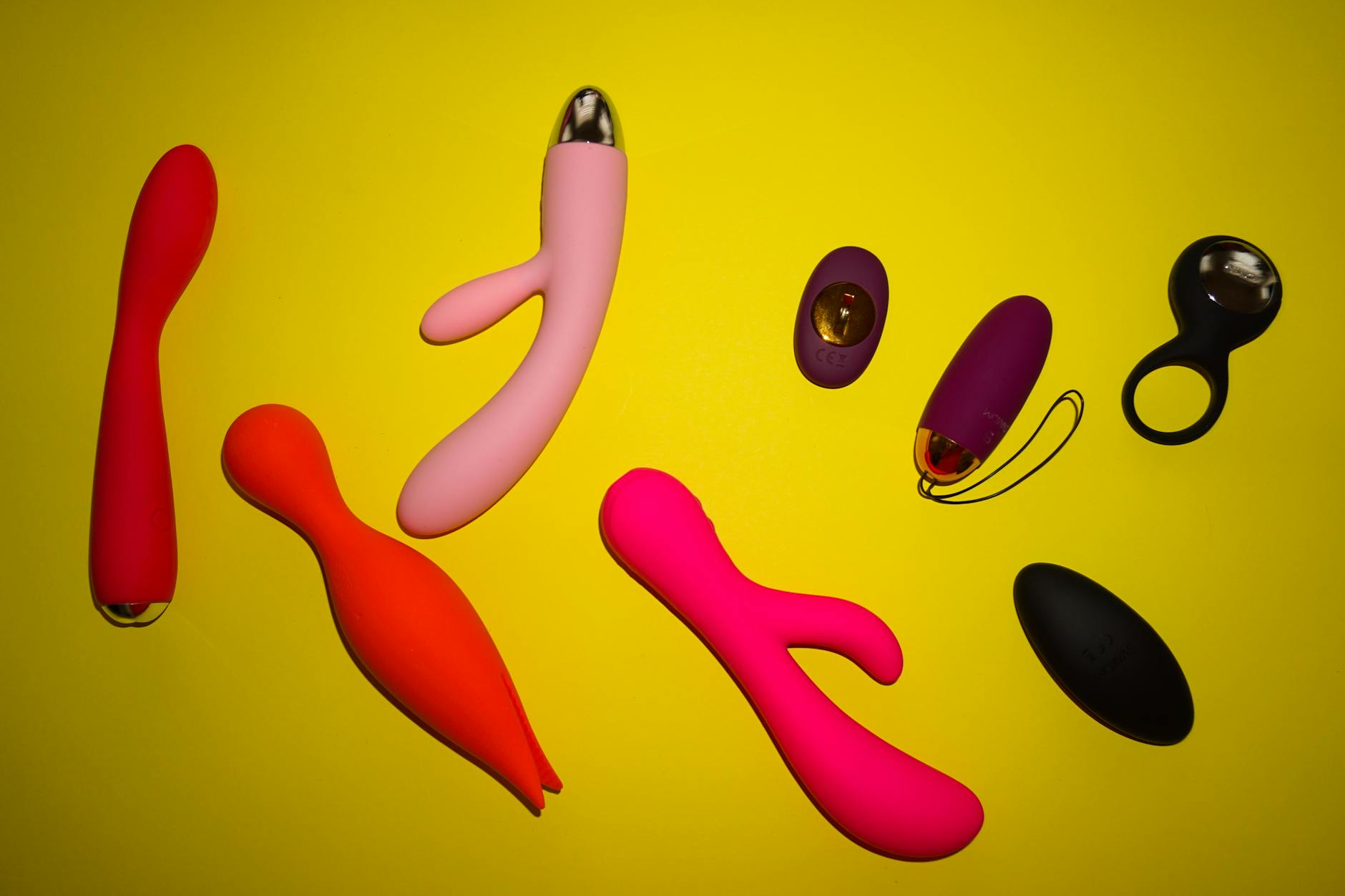
Here's the awkward truth nobody talks about
You want to explore solo pleasure. Your partner doesn't know you're interested in vibrators yet. Maybe you're unsure how they'll react, maybe the moment hasn't come up, or maybe this is just for you right now. All of those reasons are legitimate.
The gap between wanting something for yourself and being ready to share that with a partner is real, and it doesn't make you dishonest. It makes you human. Your pleasure is yours to discover first.
Why you might not have told them yet
There are usually a few reasons someone keeps solo toy exploration private from a partner, and most of them are about protection, not deception.
Some partners grew up with shame around self-pleasure and assume toys are a rejection. Others have insecurity tied to their own sexual adequacy. Some people simply haven't had a relationship where that conversation felt safe. A few partners are genuinely controlling about sexuality, and in those cases, privacy becomes a form of self-preservation.
None of those things are your responsibility to fix before you explore what feels good to you. Your body, your timeline.
The practicality: storage and access
Let's start with the non-negotiable part. A lemon vibrator like the clitoral kind needs a secure home that isn't accidentally discovered.
Your options are straightforward. A lockable drawer works well if you have your own nightstand. A locked box in your closet, labeled innocuously ("Art supplies" or "Chargers") if you share space. Some people use a small travel case that lives in a gym bag or under the bathroom sink behind cleaning supplies. The goal is discreet without elaborate deception. You're not hiding contraband. You're just keeping your privacy intact.
Store your lemon vibrator in a cool, dry place. If it's silicone (which the best ones are), keep it away from extreme heat and direct sunlight. Charge it when your partner is at work or asleep. Most modern lemon clitoral vibrators take 30 to 60 minutes to charge fully, and they run quietly. The Lemon Clit Toy's design is particularly discreet if you ever do share the space.
When and how to explore alone
Privacy looks different depending on your situation. If you live separately or have time alone regularly, you have obvious windows. If you share space, you'll need to be more intentional.
Lock the bathroom door. Run a shower or bath. The sound covers any noise, and bathrooms are spaces where it's socially acceptable to spend 20 or 30 minutes without explanation. Morning routines, when a partner is still asleep, work too. Late nights after they've gone to bed. Weekday afternoons if one of you works outside the home.
Don't overthink the logistics. You're not doing anything wrong. You're taking time for your own body.
What to actually do with your lemon vibrator
Start slow and without pressure. This isn't about performance or reaching a specific outcome. It's about learning what your body responds to when you're not thinking about anyone else's experience.
Begin with the lowest intensity setting. Many lemon vibrators have multiple patterns and speeds. Explore them all. Notice which ones feel good on different parts of your clitoris. Some people prefer consistent vibration. Others like pulsing patterns. Some want to start gentle and build intensity. Others jump straight to medium.
Lubrication helps, even solo. Water-based lube is your friend here. It's quiet, it washes off easily, and it changes the sensation. Spend time building arousal before using the vibrator. Touch other parts of your body first. Pay attention to what your breathing does. Notice where you feel sensation most intensely.
The suction-style design of many lemon clitoral vibrators is different from traditional vibration. Instead of direct buzzing, they create a gentle pulling sensation. This can feel less intense on sensitive tissue and sometimes produces different kinds of orgasms. More concentrated. Deeper. Some people find the sensation revelation after years of other toys.
Managing the emotional layer
Using a vibrator solo when your partner doesn't know carries a small emotional weight. That's normal, and it doesn't mean you're doing anything wrong. But it's worth naming.
Some of that weight is about compartmentalizing. You're living one reality with your partner and exploring another reality alone. That's sustainable short-term, but long-term relationships usually need more integration.
The bigger weight, for a lot of people, is guilt that shouldn't be there. You might feel like you're cheating, even though you're not. You might worry your partner would feel rejected if they knew. You might assume they'd be upset even if you've never actually discussed it. Those stories in your head often don't match what would actually happen if you opened the conversation.
When the conversation might become inevitable
There's no rule that says you have to tell your partner right now. But at some point, the secret either gets discovered or becomes bigger in your head than it would be in reality.
A discovery is awkward. It usually triggers defensiveness, shame, or feelings of betrayal. None of that is about the toy. It's about the secrecy. So if there's a risk of finding out (shared living space, laundry, a pattern of checking your things), you might want to get ahead of that conversation yourself.
The conversation doesn't have to be a big revelation. It can be casual. "I've been exploring some stuff on my own that feels good, and I wanted you to know. This isn't about us. It's just something I want for myself." You can leave it there. You don't owe a detailed explanation of what turns you on or when you use your lemon vibrator alone.
Most partners, when approached with straightforward honesty instead of secrecy, respond better than expected. Some want to be involved. Others respect the boundary that this is your private exploration. A few get defensive, and that tells you important information about the relationship itself.
If you decide to keep it private indefinitely
That's okay too. Some people have toys their partners never know about. It works fine if both people are okay with it. The question is: are you? Or does the secrecy itself create friction?
Privacy isn't the same as dishonesty. You don't have to disclose everything that happens in your solo time. Most of us maintain internal lives our partners don't have access to. But if the keeping-it-secret part feels stressful rather than protective, that's worth paying attention to. That usually means the relationship itself might need the conversation, even if the toy stays private.
How this connects to your broader pleasure
Exploring your body alone, on your own terms, builds something important. You learn what genuinely feels good to you, separate from performance or partner pleasure. You understand your own arousal. You know your body better. That knowledge, eventually, makes partnered sex better too.
When you understand your pleasure cycle, you can communicate what you need. When you've experienced different types of sensation, you can guide a partner toward what works. Solo exploration isn't separate from partnered pleasure. It's actually foundational to it.
Using a lemon vibrator alone builds confidence. You stop waiting for someone else to figure out what makes your body feel good. You claim that knowledge yourself. That's powerful, and it changes how you show up in intimacy.
The privacy conversation with yourself
Before worrying about your partner, check in with yourself. Is keeping this private making you feel safer, or is it creating shame? There's a difference. Safety means you need boundaries. Shame means you've internalized the idea that your pleasure is something to hide, and that's worth examining.
You deserve to explore pleasure without guilt. You deserve privacy about your body. And you also deserve a relationship where intimacy includes honesty. Those three things aren't mutually exclusive. Some people need time to get there. Some relationships never will. Knowing which is true for you is the real work.
For now, if you want to use a lemon clitoral vibrator solo and keep it private, do it. Store it safely. Enjoy what your body can feel. Learn what you like. That knowledge belongs to you, whether you share it later or not.
FAQ
How do I know if my partner will react badly to finding out about my vibrator?
Reactions usually fall into a few patterns. Some partners feel insecure and assume the vibrator means you're not satisfied with them sexually. Others worry you're being unfaithful (you're not). Some are genuinely fine with it. A few are controlling about sexuality. If you're already anxious about your partner's reaction to other aspects of your autonomy, or if there's a pattern of them monitoring or controlling your choices, that's different from normal nervousness about a conversation. Trust those patterns.
Is using a lemon vibrator alone while partnered considered cheating?
No. Cheating involves betrayal of a mutual agreement. Solo pleasure is self-care. It's not about another person. If your partner has explicitly said vibrators are off-limits in your relationship agreement, that's a different conversation. But most partners don't set that boundary until they know toys are in the picture. Exploring your own body isn't a violation of anything.
How often can I safely use my lemon vibrator without damaging sensation?
Frequently. Your body doesn't lose sensitivity from vibrator use. In fact, exploring different sensations often increases your awareness of what feels good. Some people use lemon vibrators daily. Others weekly. There's no "too much." The only limiting factor is battery life and your own interest. If you notice numbness, it's usually a sign to switch up the pattern or intensity, not a reason to stop using it.
What's the quietest lemon vibrator if I'm worried about noise?
Suction-style lemon clitoral vibrators tend to be quieter than traditional vibrators because they use air pulse technology instead of continuous vibration. Run water in the bathroom or use a white noise machine if you're nervous. Most vibrators, even at higher intensities, produce less noise than a shower or fan. Your partner probably won't hear it unless they're listening for it.
Should I tell my partner before they find it, or is privacy okay?
That depends on your living situation and your gut feeling. If discovery is likely, proactive honesty is usually better than being found out. If you have genuine privacy (separate living spaces, your own bathroom), you can take your time deciding if and when to mention it. The question isn't really about the vibrator. It's about whether secrecy fits the relationship you want to have.
How do I bring up the conversation about vibrators with my partner eventually?
Keep it simple and honest. Pick a calm moment outside the bedroom. "I've been exploring some things that feel good to me, and I wanted you to know. I got a vibrator." Then stop talking. Let them ask questions if they want to. You don't owe a detailed explanation of when you use it or how. If they ask, you can share. If they're upset, let them be upset. Their reaction is about their own stuff, not your right to explore your pleasure.
Moving forward
Your body belongs to you. Your pleasure belongs to you. How and when you share that with a partner is your choice. Right now, if you want to use a lemon vibrator alone and privately, do it without guilt. Learn what feels good. Build confidence in your own sensation. That knowledge will serve you whether your partner ever knows about it or not.
The conversation might come eventually, or it might not. Either way, you've already won. You're exploring your own pleasure instead of waiting for permission. That's the real thing.