Let's name what actually happens when stress hits
Your body doesn't forget how to feel pleasure. Stress just puts a wall between you and it. When a relationship goes through conflict, rupture, or disconnection, desire doesn't disappear because you've suddenly become incapable of arousal. It disappears because your nervous system is in protection mode. Your brain is running threat assessment, not seeking pleasure. That's not broken. That's your body doing exactly what it's supposed to do.
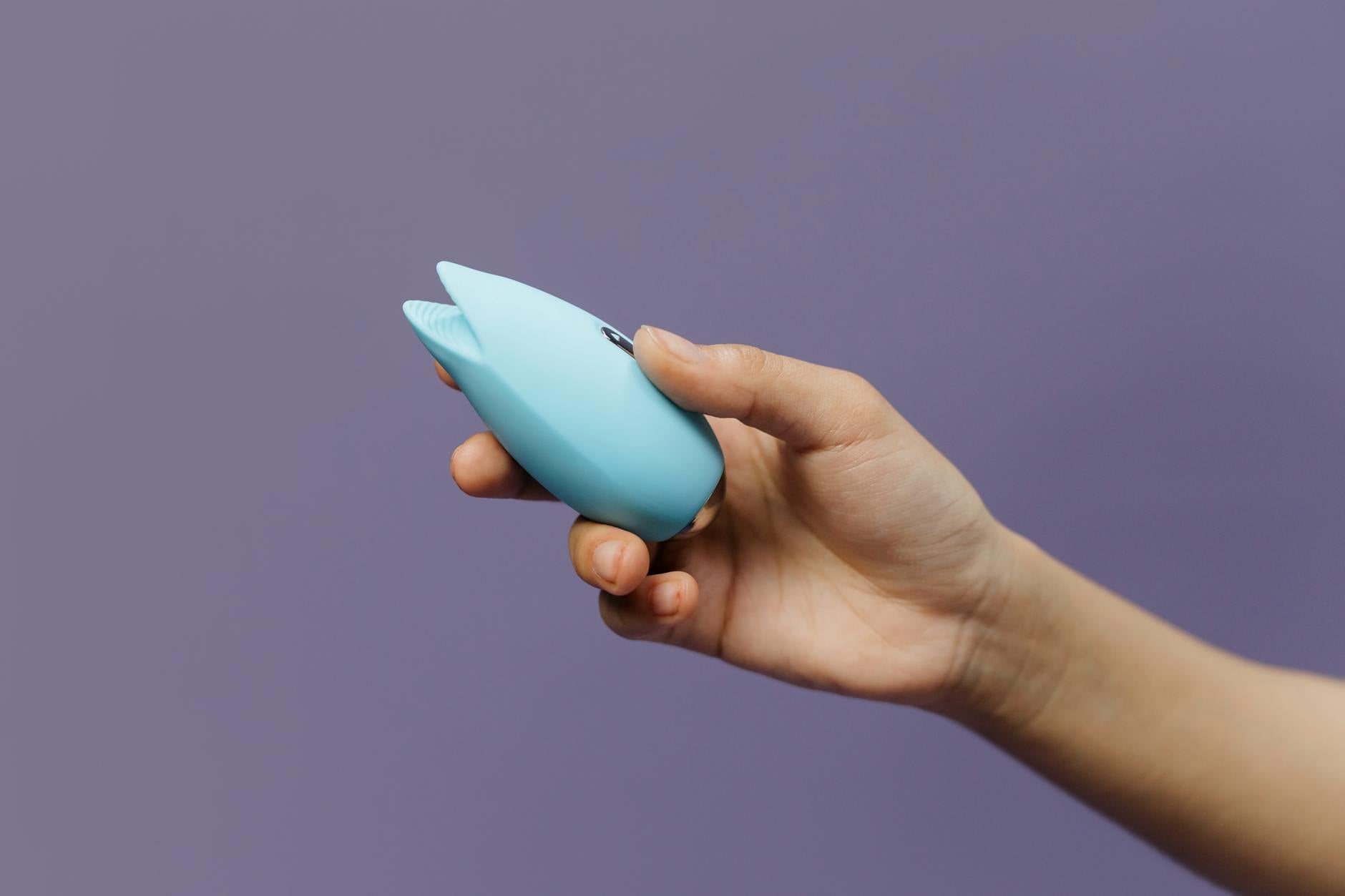
The problem is that stress doesn't always feel like stress when you're living inside it. It feels like "I guess I just don't want them anymore" or "Maybe the spark is dead." And that story, once you believe it, makes you less likely to reach for tools that could actually help. A lemon clitoral vibrator works differently when stress is the actual problem, and knowing why changes how you use it.
Why desire tanks when relationships are rough
Three systems need to be online for desire to happen. First, your nervous system has to feel safe. Second, you need a baseline level of trust. Third, you need mental space that isn't consumed by conflict. Relationship stress shuts down all three at once.
When you and your partner have been fighting, or avoiding, or both, your body reads the situation as low-safety. Cortisol spikes. Your vagus nerve (the one that controls the relaxation response) gets stuck in the off position. Meanwhile, oxytocin, the bonding hormone that underlies desire and orgasm, drops. You're not choosing not to want them. Your endocrine system is choosing it for you.
On top of that, there's the cognitive load. You're ruminating about what they said, whether the relationship is salvageable, whether you should leave. That mental noise takes up the exact bandwidth you'd need to focus on physical sensation. Even if you tried to get aroused, your brain wouldn't let you. It's too busy.
The lemon vibrator's advantage when stress is the culprit
Here's where a lemon clitoral vibrator becomes the smartest move. Unlike partnered sex, which can trigger all the conflict baggage, solo pleasure with a vibrator lets you rebuild sensation without the relational noise.
The suction pattern on lemon vibrators (and similar air-pulse designs) is different from traditional vibration. It creates a sealed, rhythmic pressure that holds your attention more completely than a standard vibrator. That intensity of focus helps pull you out of the rumination loop. You can't think about the fight when every cell in your clitoris is being drawn into sensation. The mechanism is literally a circuit breaker for stress-brain.
Second, using a lemon clitoral vibrator solo gives you back agency over your pleasure. When desire has been tangled up with conflict, reclaiming solo pleasure is reestablishing the fact that your body belongs to you, not to the relationship outcome. That matters more than people usually admit.
Third, rebuilding arousal alone is faster than trying to rebuild it with a partner when the wound is still fresh. You're not navigating their insecurities about the loss of intimacy, their timing, their pressure to "fix it" with sex. You're just rewiring your own nervous system. Once that works again, partnered connection becomes possible.
How to actually use a lemon vibrator when stress has killed desire
Start by separating the relearning of pleasure from the question of your relationship. Use the vibrator with zero agenda about what it means for your partnership. You're not doing this to "fix" things or to prepare yourself for sex with them. You're doing it because your body deserves to remember what pleasure feels like, independent of the relationship status.
Begin in a space where you won't be interrupted. Not because you need to hide, but because your nervous system needs to feel genuinely safe to drop into arousal. Turn off your phone. Close the door. Light a candle if that helps signal "this is separate time."
Use your lemon vibrator at the lowest setting first. When stress has suppressed desire, sensitivity is often lower than usual. Start at pattern 1 or 2 and explore for 15 to 20 minutes without pushing toward orgasm. The goal is sensation reacquaintance, not outcome. Notice what feels good. Notice what doesn't. There's no timer here.
If orgasm happens, great. If it doesn't, also fine. When you're rebuilding arousal after stress, forcing an orgasm can actually reinforce the anxiety loop. You want to practice the sensation of "I'm safe, I'm alone, this feels okay" repeatedly. Your nervous system learns through repetition.
Do this three to five times before you attempt any partnered sex. Yes, three to five separate sessions. Your vagus nerve doesn't recalibrate in one attempt. It needs the repeated signal that arousal is possible and safe.
The conversation with your partner about this process
Honestly though: you probably need to tell them what you're doing. Not because you owe them blow-by-blow detail, but because partnership during a rough patch requires transparency. Keeping your pleasure-rebuilding secret can reinforce the shame-and-silence dynamic that stress creates.
You can say something like: "I've realized that when we're in conflict, my body shuts down. I'm going to spend some time rebuilding my own arousal separately so I can feel more like myself. This isn't about you. It's about me remembering that pleasure is still available to me." That's it. You don't need their permission or their enthusiasm.
What you might find, though, is that your partner gets relieved. They're probably also feeling the weight of lost intimacy and thinking they're failing you. When they understand you're taking active steps to reconnect with your own desire, it takes the pressure off them.
The bridge back to partnered intimacy
Once you've rebuilt solo arousal with your lemon clitoral vibrator across several sessions, you're ready to think about partnered sex again. But don't jump straight back to your old pattern. Start somewhere neutral: maybe mutual masturbation, where you're both focused on your own pleasure in the same space. Maybe partnered use of the vibrator, where they hold it and you guide. The point is low-stakes, low-performance-pressure intimacy.
This matters because stress leaves a scar in your nervous system's memory of partnered sex. That scar says "partnered sex is where conflict lives." You want to write a new sentence over that, and the way to do it is slowly, with choices, with your body in charge.
One more thing: if the stress was about sexual performance, mismatched desires, or resentment about who initiates, using a lemon vibrator together (or him watching you use it solo) can actually reset the entire dynamic. It removes the pressure for him to be the sole source of your pleasure. It makes your arousal a three-party event: you, him, and the tool. That sounds clinical, but in practice it's wildly freeing.
When stress is pointing to a bigger problem
I want to be clear about something though. If the stress isn't temporary (a bad month, a specific fight) but chronic (you're walking on eggshells, you feel constantly criticized, you're afraid), then a lemon clitoral vibrator isn't going to fix it. It can help you rebuild self-pleasure, which is valuable. But rebuilding pleasure in an unsafe relationship is like rearranging deck chairs on a sinking ship.
If your desire dropped after stress and that stress was rooted in infidelity, emotional abuse, or persistent disconnection, please talk to a therapist. Preferably one trained in couples work, so you can both get support in deciding whether repair is possible or whether separation is kinder. A vibrator is a tool for pleasure. It's not a tool for staying in something that's hurting you.
For everyone else: the stress is temporary, the relationship is worth healing, and you're just looking to remember what you feel like when you're turned on. That's where lemon clitoral vibrators shine. They're a reset button for your own arousal when external circumstances have frozen it. Use them as that, and use them often.
FAQ: Desire After Relationship Stress
How long does it take to rebuild desire after relationship conflict?
Three to five weeks of consistent solo practice (2-3 times per week with your vibrator) is usually enough to feel a noticeable shift. Your nervous system learns through repetition, so the more you signal to your body that arousal is safe, the faster desire returns. Everyone's timeline is different, but if nothing has shifted after six weeks, that might be worth exploring with a therapist to see if there's a deeper issue beyond the surface conflict.
Can using a lemon vibrator alone make my partner feel threatened?
Maybe, depending on your partner's insecurity. But here's the truth: their insecurity about your solo pleasure is their work to do, not yours to manage. That said, transparency helps. If you tell them "I'm rebuilding my arousal solo so I can be more present with you," most secure partners will get it. If they feel threatened by you using a toy alone, that's worth a bigger conversation about what's driving that reaction. Your pleasure is not a threat to them unless they're already afraid of losing you.
What if I still can't get aroused even with a lemon clitoral vibrator?
That might signal depression, anxiety, medication side effects, or hormonal shifts alongside the stress. It might also mean the stress is deeper than you're consciously aware of. A vibrator is powerful, but it's not a magic wand. If you're genuinely not feeling arousal after consistent practice, check in with your doctor to rule out physical causes, and consider talking to a therapist about what else might be suppressing sensation.
Should I use a lemon vibrator with my partner present during this process?
Not at first. Solo is cleaner. It lets you rebuild your baseline without any energy you're reading from them. Once you've had several solo sessions and you're feeling arousal reliably, then mutual use (where you watch each other, or they participate) can be part of healing the partnered dynamic. But the foundation should be solo first.
How do I bring a lemon vibrator into the conversation with my partner?
Directly and without apology. "I've been using a vibrator to help myself feel arousal again because stress has been suppressing it. I want to rebuild that capacity before we focus on partnered sex." You're not asking permission. You're informing them of a choice you've made about your own body. If they have concerns, listen once, then decide if those concerns are worth taking seriously or whether they reflect their own insecurity.
Is using a lemon clitoral vibrator solo betraying my partner if we're working through conflict?
No. Solo pleasure isn't infidelity. It's self-care. If your partner frames it that way, that's a red flag about whether they respect your bodily autonomy. You get to touch yourself, to use tools for pleasure, to rebuild your own arousal. That's non-negotiable. Their discomfort with that is their issue to work on.
What comes next
Relationship stress doesn't have to mean the end of desire. It means your nervous system has gone into protection mode, which is exactly what it should do. The work is rewiring that response, and lemon clitoral vibrators are one of the smartest tools for that rewiring. Use them consistently, use them alone first, and use them with the clear intention of rebuilding your baseline pleasure. Your body will remember. And once it does, you and your partner can rebuild together from a place of genuine desire instead of obligation.
If you're unsure whether your relationship stress is fixable or whether deeper issues are at play, that's the moment to reach out for support from someone trained in couples dynamics. Pleasure is powerful, but it's not a substitute for real relational repair. You deserve both.