
Let's talk about the part nobody warns you about
Cancer treatment can steal sensation. Chemotherapy, radiation, hormone therapy, surgery. All of them rewire how your body feels pleasure. And nobody tells you that rebuilding that sensation is possible, let alone how to do it methodically.
Here's what I know after years of working with people navigating this transition: sensation can return. It doesn't always happen on its own. But with patience, the right tools, and medical clearance, many people rebuild pleasure more fully than they expected.
What cancer treatment does to pleasure
Chemotherapy and radiation can damage nerve endings, especially in sensitive tissue. Hormone therapies (like tamoxifen or aromatase inhibitors) lower estrogen, which thins vaginal tissue and reduces natural lubrication. Some cancers require surgical removal of tissue, which changes anatomy and nerve pathways entirely. All of this combines into a real, physical change in how stimulation feels.
But here's the thing that gets missed in most recovery guides: the brain's capacity for pleasure remains intact. The neural pathways are still there. The clitoral nerve complex still functions. What's changed is the signal strength, and that's something you can rebuild.
Why lemon vibrators work for post-cancer recovery
Three reasons make lemon clitoral vibrators particularly useful after cancer treatment:
1. Suction doesn't rely on friction. After cancer treatment, direct pressure or rubbing can feel painful or numbing. Clitoral suction toys use gentle suction waves instead. This stimulates nerves without the mechanical pressure that can trigger discomfort or tissue irritation. For people with thinned tissue or nerve sensitivity, this is a game-changer.
2. You control the intensity precisely. A lemon vibrator has multiple patterns and intensity levels. You can start at the gentlest setting (usually pattern 1 or 2) and stay there as long as you need. This matters because forcing sensation too fast after cancer treatment can backfire into avoidance and frustration.
3. Sensation rebuilds fastest with consistent, low-pressure input. The clitoral nerve responds to regular, non-threatening stimulation by restoring sensitivity over weeks. A lemon vibrator's suction pattern delivers exactly that: consistent, gentle, stimulus that trains the nerve to wake up again.
When to start and how to know you're ready
First: get medical clearance. If you've had surgery, most gynecologists recommend waiting 6-8 weeks after healing is complete. If you're in active chemotherapy or radiation, ask your oncologist before introducing any stimulation. If you're on hormone therapy, there's no waiting period, but pelvic floor awareness matters more (I'll get to that).
Physical readiness looks like this: you can wear underwear without pain, you can insert a tampon without discomfort, and you're past the acute healing phase. Emotional readiness is harder to measure. You might not feel "in the mood" yet. That's fine. Sensation rebuilding happens before desire usually catches up.
The four-week rebuild protocol
Week one and two: exploration without expectation. Use your lemon vibrator alone, on the lowest setting, for no more than 5-10 minutes. Place it gently against your clitoris. You're not looking for sensation yet. You're teaching your body that this touch is safe. Notice what you feel: numbness is normal. Tingling is good. Discomfort means you're going too fast.
Week three: Increase to 10-15 minutes if week two felt comfortable. You can try pattern 2 if you want. Some people start noticing subtle sensation around now: a warmth, a light tingle, a vague sense that something is happening. This is progress. Celebrate it quietly.
Week four and beyond: Extend to 20 minutes if you want, or stay where you are. Many people find that sensation builds slowly across months, not weeks. That's the actual timeline, and it's worth knowing upfront.
Managing the emotions that come with it
Rebulding sensation after cancer is not just physical. Many people feel grief that their body changed. Anger that they have to rebuild something that was automatic before. Impatience because "it's taking too long."
These feelings are real and worth processing, ideally with a therapist who understands cancer recovery. But they're separate from the physical process. You can feel angry about your body and still use a lemon vibrator effectively. You can grieve and rebuild at the same time. The two don't cancel each other out.
If you're working with a partner, be explicit about what you're doing and why. "I'm rebuilding sensation with a tool. This is about me reconnecting with my body. It's not about you or what you're not doing." Partners often want to help and don't know how. The answer is usually: let me explore alone first, then we can navigate this together once I understand what feels okay.
What to avoid in early recovery
Don't use silicone-based lubrication with a silicone lemon vibrator. It degrades the material. Use water-based lube. Don't jump between intensity levels to "chase" sensation. This trains your nerve endings to expect pressure, which backfires. Don't compare your timeline to anyone else's. Cancer treatment affects everyone's sensation differently depending on what drugs, what dose, what tissues were involved.
Don't assume pain means you're damaging yourself. Nerve regeneration can feel weird: tingling, shooting sensations, random zaps. That's usually a good sign. But sharp pain or burning is a signal to stop and check in with your oncologist or pelvic floor therapist.
The role of pelvic floor release
Most people tighten their pelvic floor unconsciously after cancer treatment. It's a protective response. But tension blocks sensation. Before using your lemon vibrator, spend 2-3 minutes just breathing into your pelvis. Imagine the floor relaxing with each exhale. Some people find that 30 seconds of pelvic floor release makes the difference between feeling numb and feeling something.
If you had pelvic radiation, a pelvic floor physical therapist trained in cancer recovery is worth the investment. They can show you exactly how your tissue responds and give you targeted release work that makes pleasure tools way more effective.
When sensation comes back (and what it might feel like)
First sensations are often subtle: a faint hum where before there was nothing, a gentle warmth, a tingle that lasts a few seconds. This is not the intense sensation you had before cancer. Don't wait for that. Over months, sensation builds, but it often settles into a different baseline. That's not worse. It's just different. Many people find they actually prefer the subtler, more nuanced sensation once they adjust.
Orgasm may also look different. Some people regain it fully. Some find it takes longer to build. Some reach a plateau of pleasure that doesn't crest into orgasm, and that's okay. The goal isn't to return to exactly how your body worked before. It's to rebuild a relationship with pleasure that fits who you are now.
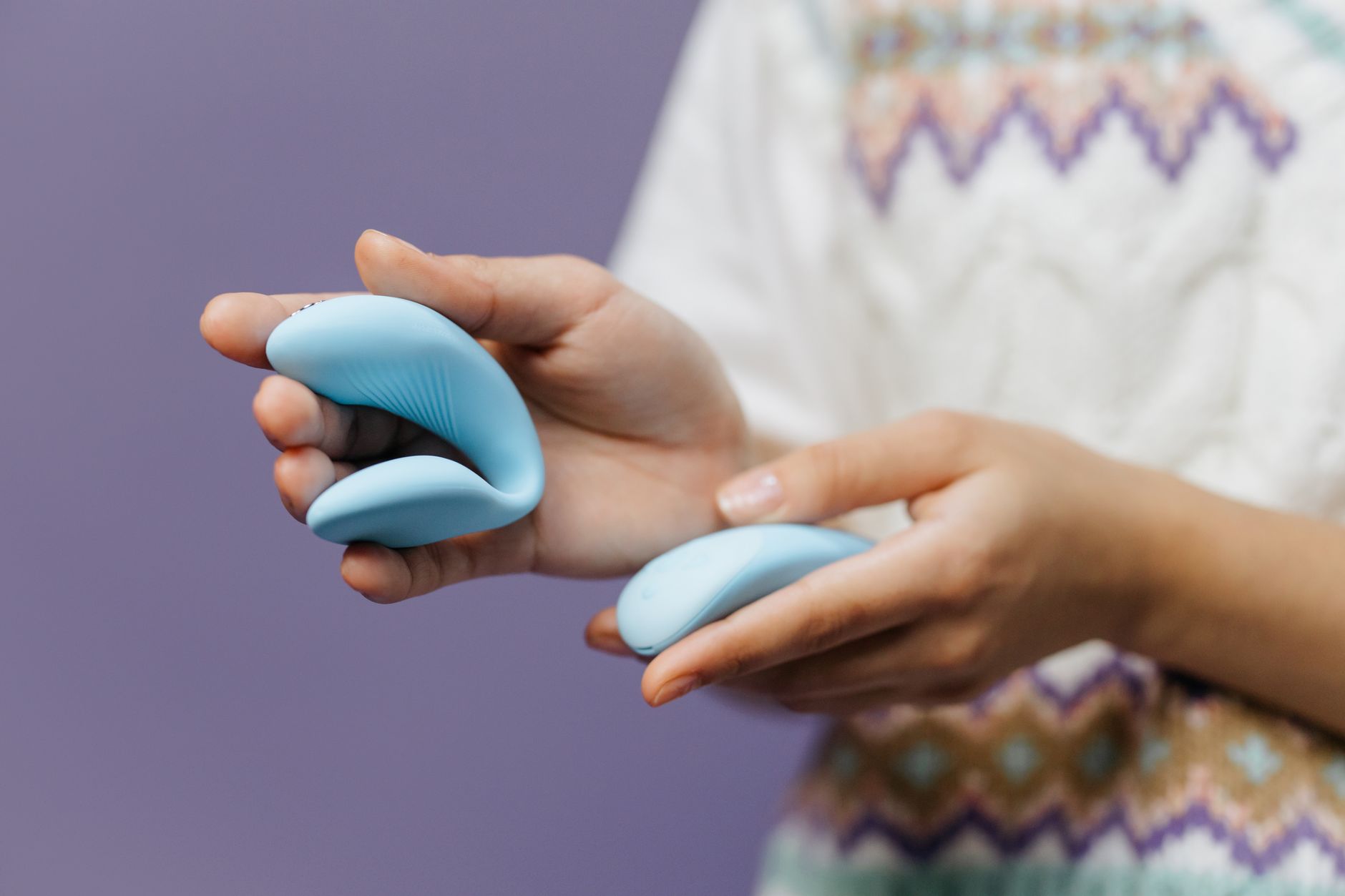
Photo by cottonbro studio on Pexels
Talking to your partner about this
If you're in a relationship, your partner might feel uncertain about what their role is. Be clear: the early weeks are about you and your body. Solo exploration. No pressure. Once you're comfortable with sensation returning, you can decide together how to include them. Some couples find that rebuilding sensation together is actually an intimacy builder. Others need clear boundaries around timing and space.
The worst approach is silence. If you're using a lemon vibrator and not mentioning it to a partner, you're often unconsciously sending the message that pleasure is something private, hidden, not safe to share. That usually doesn't lead anywhere good.
When to get support
If pain persists beyond week two, check in with a pelvic floor therapist or your oncologist's sexual health specialist. If you're three months in and sensation hasn't budged at all, ask about topical estrogen (even if you're young) or testosterone therapy. These are safe options after cancer and can accelerate sensation rebuilding in people who need extra support.
If the emotional weight of rebuilding sensation is overwhelming, that's also something to mention. Many cancer centers have therapists trained in post-cancer sexuality. It's not a luxury. It's part of recovery.
Rebulding sensation after cancer is not a sprint. It's a slow, patient conversation with your body about what feels safe and pleasurable now. A lemon vibrator is one tool in that conversation. The conversation itself is where the real healing happens.
People also ask
How long after cancer treatment can you use a vibrator?
Most medical teams recommend waiting 6-8 weeks after surgery for tissue healing. For chemotherapy or radiation, check with your oncologist, but typically you can explore gentle stimulation once you're past the acute treatment phase and tissue is no longer actively inflamed. Ask your doctor about your specific situation.
Can vibrators help with chemotherapy numbness?
Yes. Consistent, gentle stimulation from tools like lemon clitoral vibrators can help train sensory nerves to reactivate after chemo-induced numbness. This isn't instant. Rebuilding sensation typically takes weeks to months. Suction-based toys are often gentler than traditional vibrators for sensitive or recovering tissue.
Is it safe to use a lemon vibrator if you had radiation?
Generally yes, but with caution. Radiated tissue can be fragile and needs careful attention. Start with the lowest intensity setting, use water-based lubricant, and stop if you feel sharp pain. A pelvic floor therapist trained in cancer recovery can assess your specific tissue and give personalized guidance.
What's the difference between a lemon vibrator and other clitoral toys for cancer recovery?
Lemon clitoral vibrators use suction rather than direct vibration, which is often gentler on sensitive post-treatment tissue. They also allow very precise control of intensity, which matters when you're gradually reintroducing stimulation. Other toys can work, but suction-based design is particularly well-suited to rebuilding sensation after cancer.
Can you use a lemon vibrator while on hormone therapy after cancer?
Yes. Hormone therapies (like tamoxifen) don't prevent vibrator use. They do thin tissue and reduce lubrication, so you'll want good water-based lube and maybe start even more gently than usual. The vibrator itself can actually help signal to your body that sensation is still available, which can sometimes help with hormone-related numbness.
How do you know if sensation is actually returning or if you're imagining it?
Real sensation has consistency. If you feel the same subtle tingle in the same spot over multiple sessions, that's usually real nerve reactivation. If you're hyper-focusing and grasping at tiny sensations, that can feel like progress but often fades. Trust the experience that repeats naturally, not the experience you're hunting for.
Sources and Further Reading
- American Cancer Society. "Sexuality and Cancer: For Women." Updated resources on sexual recovery after cancer treatment and pelvic health.
- National Comprehensive Cancer Network (NCCN). "Cancer-Related Sexual Problems." Clinical guidelines for oncologists on managing sexual side effects.
- Peixoto, H., et al. (2020). "Sexual dysfunction in cancer patients." Advances in Urology. Research on prevalence and treatment of sensation changes post-treatment.
- AASECT (American Association of Sexuality Educators, Counselors and Therapists). Directory of certified sex therapists specializing in cancer recovery.
Ready to start rebuilding? Get in touch if you want resources on finding a pelvic floor therapist or cancer-informed sex therapist in your area. You deserve pleasure, and you deserve support in getting there.